As an Amazon Associate, we earn from qualifying purchases. Some links on this site are affiliate links at no extra cost to you. Our recommendations are based on thorough research and editorial judgment.

Adapting Walking Mechanics When Wearing Height Enhancing Shoes

Adapting walking mechanics in height-enhancing shoes involves managing forward weight shifts and altered joint angles caused by heel heights typically ranging from 2 to 6 inches. Elevated footwear—such as platform, elevator, or high-heeled shoes—affects ankle plantar flexion, knee flexion, and center of pressure, which may reduce stability and increase joint loading, especially beyond 5.08 cm heel height. Proper posture, gradual usage, and targeted arch support help mitigate discomfort, improving balance. Further insights reveal techniques for safer, more comfortable movement.
Key Takeaways
- Maintain a heel-to-toe walking technique to reduce forefoot pressure and joint strain in height-enhancing shoes.
- Start wearing elevated shoes indoors with shorter lifts to build confidence and adapt gradually.
- Focus on maintaining good posture, keeping head up and shoulders relaxed to avoid exaggerated gait patterns.
- Incorporate strength and flexibility exercises to improve muscle control and smooth walking mechanics.
- Choose shoes with proper arch support and cushioning to balance altered pressure distribution and improve stability.
The Biomechanics of Height-Enhancing Footwear
Height-enhancing footwear greatly alters walking biomechanics through measurable changes in ankle and knee movement. Increasing heel height shifts the center of pressure forward toward the ball of the foot, disrupting smooth gait and reducing foot clearance. This biomechanical adjustment results in increased ground reaction forces during walking, which elevate energy expenditure significantly between 5.08 cm and 7.62 cm heel heights. Knee flexion decreases as heel height rises, which may contribute to discomfort and long-term joint issues. These changes impact walking mechanics, stride length, and stability, emphasizing that footwear over 5.08 cm requires cautious use to protect foot health. “Moderation in heel height is essential,” experts advise, “to balance aesthetics and biomechanics.” Users report economical wearability under 3 inches but recommend avoiding taller heels for daily use to minimize injury risk. Additionally, choosing elevator shoes with cushioned insoles and breathable materials can help improve comfort and reduce fatigue during extended wear.
Recommended Products
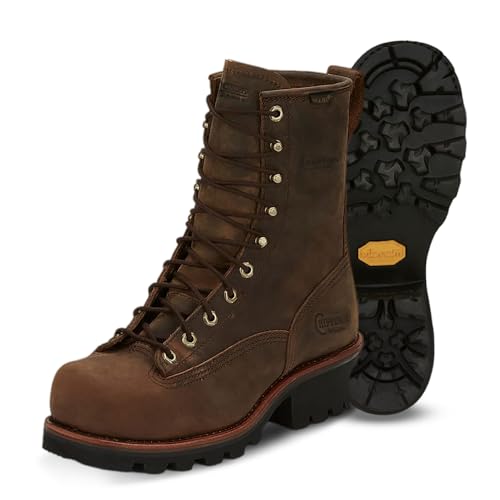
Rugged Waterproof Durability: The Chippewa Paladin Logger Work Boots feature full-grain leather construction with a waterproof design, ensuring resilience in wet conditions. Tailored for men's industrial & construction boots, they exemplify dependability in challenging environments
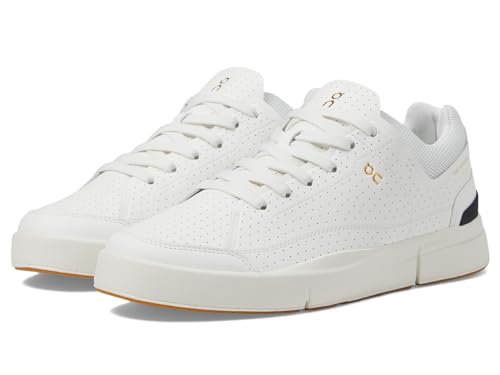
Vegan leather with retro stitching. Suede patch detail on tongue. Comfort innersock construction. Sockliner features hidden message.

Bifrost Composite Toe Durability: Helly Hansen's Bifrost boots showcase durable construction, engineered for the toughest work environments. Designed for men's work boots and composite toe boots for men, they deliver robust protection in crucial situations
Types of Height-Enhancing Shoes and Their Effects
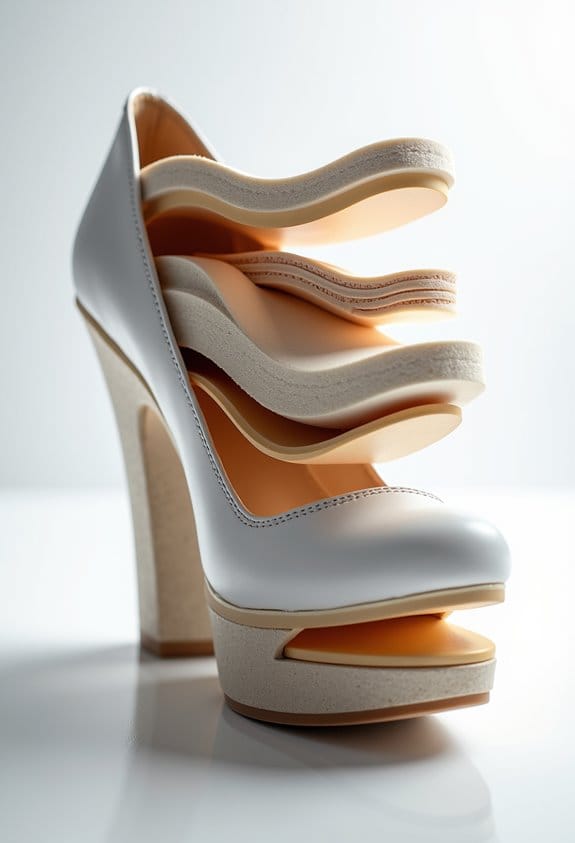
Footwear designed to increase stature comes in several distinct styles—each varying in heel height, construction, and biomechanical impact. High heeled shoes, adding 1 to 6 inches, shift the center of gravity forward, affecting balance and walking mechanics, and increasing lower back strain. Elevator shoes, with 2 to 5-inch internal lifts, offer discreet height boosting while maintaining more natural pressure distribution. Platform shoes raise height by 1 to 3 inches via thick soles, generally improving stability compared to traditional heels. Thick-soled sneakers provide 1 to 2 inches of modest lift and prioritize casual comfort. According to Dr. Evans, “High heels alter the gait cycle, shortening strides and intensifying calf muscle workload.” User reviews highlight elevator shoes for comfort, whereas high heeled models often require adaptation to biomechanics affecting balance and posture. Choosing footwear with proper arch support and cushioning can help mitigate strain caused by altered walking mechanics.
Recommended Products

Masaltos Italian quality shoes will increase your height by up to 2.75 inches (7cm).

Masaltos Italian quality shoes will increase your height by up to 2.75 inches (7cm).

Authentic 3.15-Inch Invisible Lift – Experience a real height increase of 3.15 inches (8cm) with our fully integrated, non-removable built-in system. These <strong>height increasing shoes</strong> retain the exact elegant profile of classic Brogue Oxfords, making the elevation completely undetectable.
Modifications in Gait and Posture With Elevated Shoes
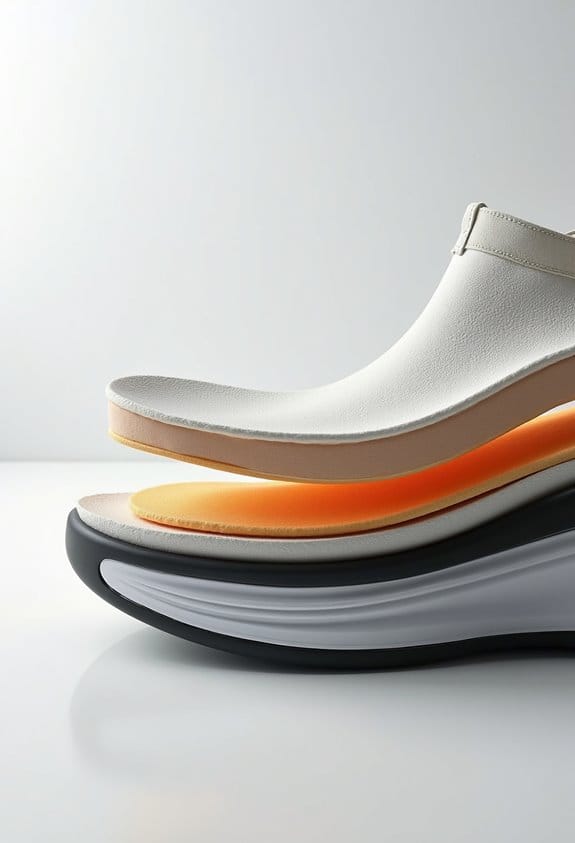
Although elevated shoes serve to increase stature and style, they impose notable changes on gait and posture that merit consideration. Elevated shoes shift the body weight forward by altering the center of gravity, causing an arched back and a forward-thrust pelvis that affect stability. Heel height directly influences walking mechanics—higher heels increase ankle plantar flexion and knee flexion, resulting in reduced foot clearance and shorter stride length. Gait becomes faster yet less stable due to changes in subtalar and knee joint timing. Additionally, ground reaction forces intensify on the metatarsophalangeal joints during push-off, elevating discomfort risk. Experts recommend limiting heel height to no more than 5.08 cm to balance aesthetics and minimize potential musculoskeletal issues, emphasizing comfort alongside style. To mitigate these effects, incorporating ankle alignment shoes can provide corrective support and enhance overall foot and joint stability during walking.
Recommended Products

Dual Zipper Heel Entry: Two zippers on the heel make sliding in effortless, no lace tying needed, ideal for thoes with limited mobility.

Hands-Free Slip-On Entry: Slide in without bending down. Our hands-free design makes these suede slipper-shoes effortless to put on for indoor and outdoor wear.

Designed to keep you moving with maximum comfort and support.
Health Implications of Wearing Elevated Footwear

Shifts in posture and gait from wearing elevated shoes extend their impact beyond mere mechanics to notable health concerns. Wearing high heels, especially as heel height increases beyond 5 cm, redistributes the center of mass forward, compromising stability and increasing fall risk. Walking in heels elevates pressure on metatarsophalangeal joints, causing foot problems such as pain and dysfunction. Biomechanics are altered—ankle plantar flexion and knee flexion adjustments elevate joint stress, raising susceptibility to knee osteoarthritis. Musculoskeletal pain often develops due to these repetitive stresses and altered alignment. One podiatrist emphasizes, “Prolonged heel use intensifies strain on foot structures and may accelerate degenerative joint changes.” Users report increased discomfort and fatigue after prolonged wear, underscoring the need for moderated use. Awareness of associated health risks is essential when choosing height-enhancing footwear. Proper footwear with heel stability features can help mitigate such risks by maintaining foot alignment and reducing strain.
Recommended Products

10" tall leather uppers made from 2.8 mm full grain leather feature double and triple stitching throughout for added durability

EXTREME FULL-GRAIN LEATHER DURABILITY - Built with 2.8mm premium full-grain leather, these boots feature a one-piece vamp construction with no tongue seams, delivering superior abrasion resistance, enhanced waterproofing performance, and long-lasting durability in harsh, high-altitude and rugged terrain conditions

Suede leather and mesh upper
Tips for Comfortable and Safe Walking in Height-Enhancing Shoes
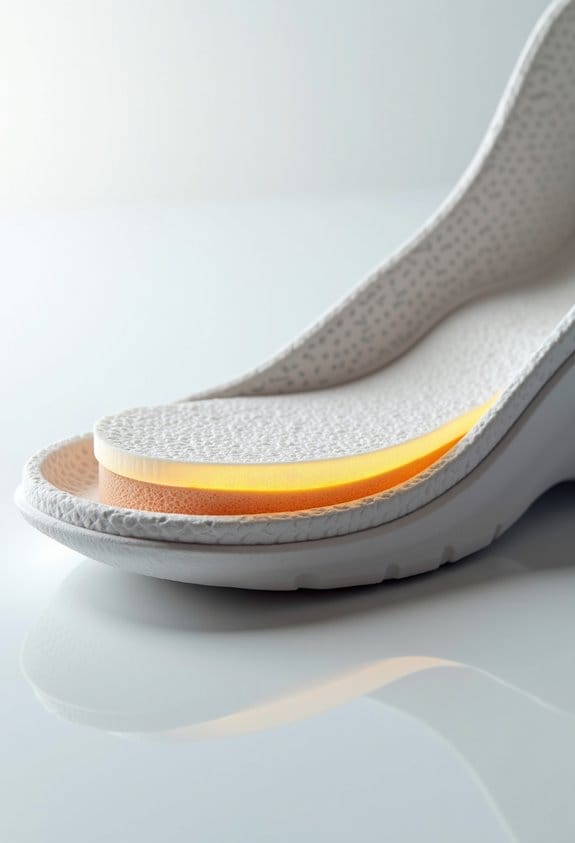
When acclimating to height-enhancing shoes, beginning indoors with shorter lifts under controlled conditions optimizes confidence building and minimizes fall risk. Maintaining a heel-to-toe walking technique reduces forefoot pressure and joint strain, which helps maintain balance. Experts recommend focusing on good posture—head up, shoulders relaxed, spine straight—to prevent gait exaggeration and promote stability. Strength and flexibility exercises, such as squats and calf stretches, improve muscle control, enhancing comfort level and stride fluidity. Users of the ElevatePro 3″ models report improved balance attributed to ergonomic shoe design that distributes weight evenly. Adapting stride length and monitoring walking pace support the body’s accommodation to height-boost mechanics. Additionally, selecting shoes with targeted arch support can further stabilize foot alignment during movement. Overall, gradual indoor practice combined with targeted conditioning creates a safer, more comfortable walking experience in height-enhancing shoes.
Recommended Products

Elegant Swivel Design for Elevated Seating – The Maven Lane Pullman Bar Stools (Set of 4) offer a perfect balance of classic charm and everyday function, beautifully finished with finely upholstered seats, classic nailhead trim, and smooth 180 degree swivels, making them standout additions to bars, pub tables, and tall kitchen counters

【MAGNETIC RESISTANCE SYSTEM】 Experience smooth and silent rides with the advanced magnetic resistance, perfect for intense workouts without disturbing your environment.

【BUILT FOR THE OUTDOORS】: Made of high-quality PE rattan wicker and steel frame, which provides a good support base. Handwoven PE rattan is strong, durable, lightweight, and water-resistant, can withstand changeable weather.
Frequently Asked Questions
How Do Different Athletic Shoes Change the Biomechanics of the Foot?
Ironically, athletic shoes rewrite foot strike and stride length with varying heel height and shoe flexibility. Enhanced arch support and balance stability manipulate weight distribution, altering muscle engagement and surface impact—gait analysis reveals how these changes redefine natural biomechanics.
Is It Hard to Walk in Elevator Shoes?
Walking in elevator shoes is generally manageable due to elevator shoe comfort and walking stability, yet users must assess balance and posture impact. Height advantage and style considerations boost confidence, though heel restrictions, shoe weight, and potential foot fatigue require attention.
Do Shoes Add 2 Inches of Height?
A stitch in time saves nine: shoes can add 2 inches of height, enhancing height perception and confidence boost. However, shoe comfort, foot stability, arch support, balance issues, shoe weight, style preferences, fitting adjustments, and posture changes remain essential factors.
Can Shoes Affect the Way You Walk?
Footwear impact greatly affects walking posture, balance control, and gait changes. Heel height influences joint alignment and muscle strain, altering comfort levels and surface interaction. Style influence also plays a role, collectively modifying how individuals walk.