As an Amazon Associate, we earn from qualifying purchases. Some links on this site are affiliate links at no extra cost to you. Our recommendations are based on thorough research and editorial judgment.

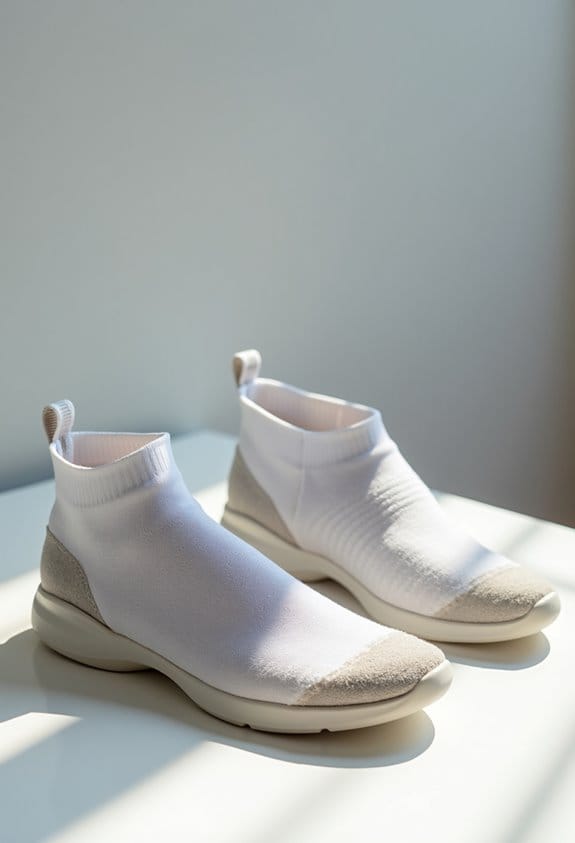
Sock Choices for People Using Protective Diabetic Footwear

Sock choices for people using protective diabetic footwear must focus on moisture-wicking, seamless, and non-binding features to reduce friction and improve circulation. Brands like Dr. Comfort offer cushioned, seamless socks crafted from CoolMax or Merino wool blends, enhancing comfort and minimizing ulcer risk. Expert podiatrists emphasize that socks with padded soles and wide toe designs support foot health effectively. Patient reviews consistently highlight reduced irritation and better moisture control. Explore further for detailed guidance on ideal sock selection and maintenance.
Key Takeaways
- Choose moisture-wicking and breathable socks to keep feet dry and prevent fungal infections in diabetic footwear.
- Opt for non-binding socks to avoid restricted circulation and improve comfort inside protective shoes.
- Select seamless socks to reduce friction, chafing, and the risk of skin irritation or blisters.
- Look for cushioned socks with extra padding to protect pressure points and prevent ulcers.
- Follow care guidelines and replace socks every 6-12 months to maintain their protective features effectively.
Importance of Proper Sock Selection for Diabetic Footwear
Several critical factors influence the proper selection of socks for diabetic footwear. Socks designed for individuals with diabetes must minimize friction and irritation to reduce diabetic foot complications such as blisters and wounds. Proper foot care requires socks made from moisture-wicking, breathable fabrics like CoolMax or Merino wool blends, which keep feet dry and help prevent fungal infections. Non-binding socks prevent impaired circulation—a key concern for diabetic patients—while seamless designs reduce rubbing and chafing on sensitive neuropathic skin. Dr. Mary Jacobs, a podiatrist at HealthFirst Clinic, notes, “Choosing the right sock is as important as protective footwear to avoid foot ulcers.” Users of brands like Thorlo and MediPeds report improved comfort and fewer skin issues, underscoring that correct sock selection supports overall foot health and complements diabetic foot care routines. Incorporating footwear with arch support can further reduce foot fatigue and enhance comfort for diabetic patients during daily activities.
Key Features of Diabetic Socks
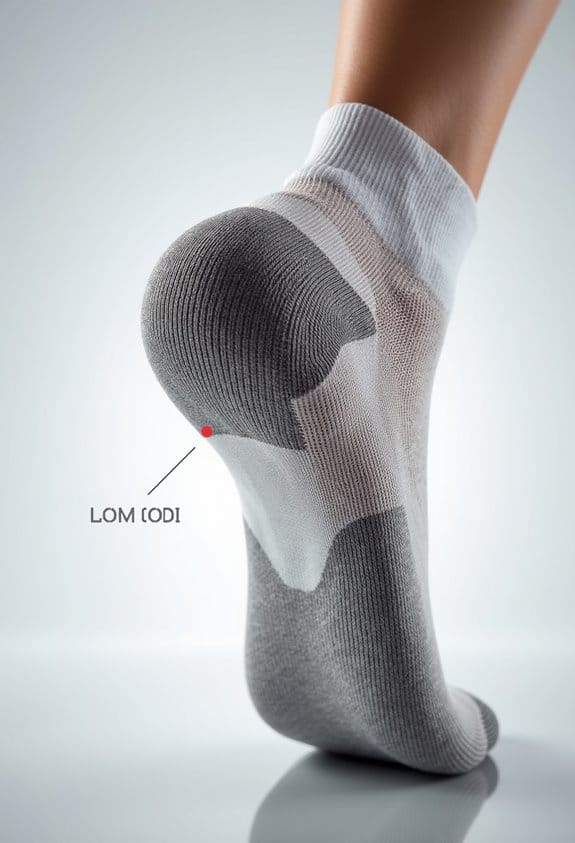
Diabetic socks prioritize foot health through specialized design elements that enhance comfort and safety. These socks utilize moisture-wicking fabrics that actively draw sweat away, keeping feet dry and reducing infection risks—essential for sensitive skin prone to irritation. Extra padding, often integrated in the sole and heel areas, cushions impact and helps prevent ulcers, a key concern for neuropathy sufferers. According to Dr. Lynn Harris, podiatrist, “Proper diabetic socks reduce pressure points, vital in preventing serious foot complications.” Brands like Medi-Sox offer seamless interiors to eliminate friction, a common cause of blisters. User reviews consistently praise lightweight, breathable materials that maintain circulation without constricting. While prices range from $12 to $25 per pair, investing in high-quality diabetic socks delivers significant long-term benefits in foot health and injury prevention. Additionally, selecting socks with moisture-wicking properties complements diabetic slippers designed with breathable materials to regulate temperature and maintain foot hygiene.
Recommended Products

Waterproof Pro construction w/ waterproof full-grain leather

Hispar Mens Man Decent Dress Dressage Boots Pull On Riding English Equestrian - Black 13 2 PLUS CALF
Fallow picture No 2 for product sizing chart - Check other listings or Visit HISPAR Amazon store for BROWN color

Arctic Rated - For active endeavors when freezing temperatures are sustained for extended periods. Arctic Rated products have been worn by Baffin’s testing team in comfort in regions where temperatures between -30°C to -45°C/-22°F to -49°F have been experienced.
Benefits of Non-Binding and Seamless Socks
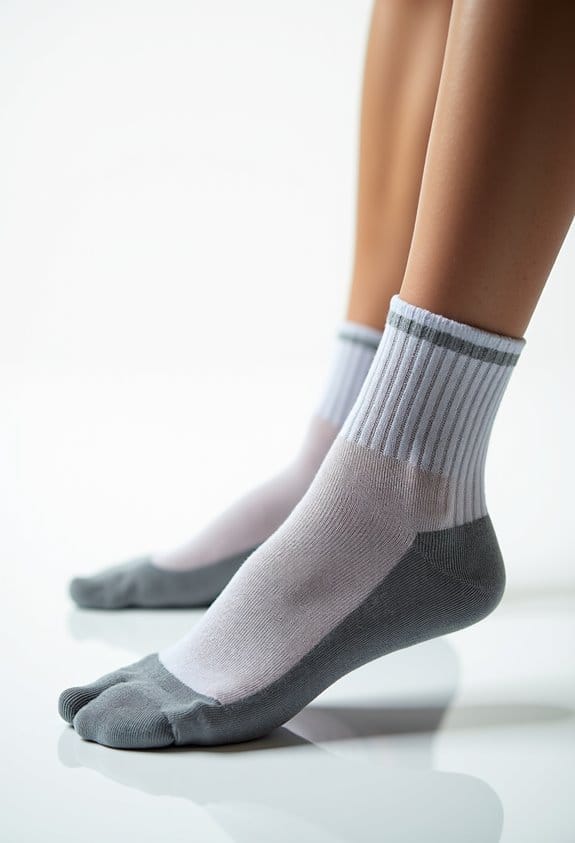
Many individuals benefit from non-binding and seamless socks that promote healthier circulation without sacrificing comfort. Non-binding socks avoid tight elastic bands, preventing restricted blood flow—a critical factor for diabetic patients managing impaired circulation. Seamless socks reduce friction, lowering the risk of skin irritation and injury, especially important for neuropathic feet. According to podiatrist Dr. Ellen Marks, “Seamless, non-binding designs substantially decrease skin trauma and support foot health in diabetic populations.” User reviews highlight models such as the Dr. Comfort Diabetic Socks, priced around $15 per pair, which offer cushioned comfort with 98% cotton and Lycra blends. These socks reduce blister formation and skin breakdown—common concerns for diabetes-related foot complications. Such design features guarantee both protection and comfort, reflecting a growing preference among diabetic patients for protective footwear that aligns with clinical recommendations. Additionally, pairing these socks with therapeutic shoes that feature wide toe boxes can further alleviate pressure and improve overall foot health.
Recommended Products

NON BINDING SOCKS: Diabetic cotton crew socks from Brooklyn Socks are excellent solution for delicate and sensitive feet. Each pair offers a combination of quality, comfort, and style. These excellent diabetic socks feature a loose knit design and a non binding top that ensures proper blood circulation in feet with no constricting the legs in any way. The size also fits women.

PREMIUM BAMBOO RAYON DIABETIC CREW SOCKS Our diabetic socks with non-slip soles are soft and comfortable. To provide a great wearing experience, they are made of a high-quality bamboo rayon blend. Non-slip diabetic socks are excellent for relaxing at home, used as recovery socks during hospital stays, and even worn for yoga and pilates. We use a silicone-based plumping softener to wash all of our socks. It can therefore maintain its pleasantly smooth texture.

Truly Seamless – Completely free of seams, this product is knit like a caterpillar spins its cocoon from the toe up, eliminating all lumps and bumps and providing a comfortable fit.
Moisture-Wicking and Breathable Materials
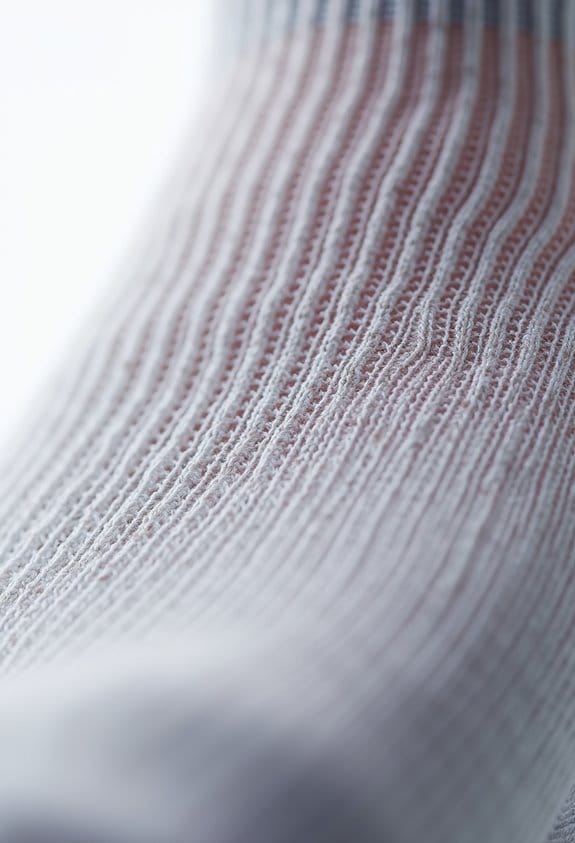
Footwear fabric technology plays a critical role in managing diabetic foot health by focusing on moisture control and breathability. Moisture-wicking diabetic socks keep feet dry, reducing fungal infections and skin irritations common among diabetes patients. Breathable materials—such as cotton blends and advanced synthetics—allow airflow, regulate temperature, and sustain comfort during prolonged wear. “Socks featuring seamless interiors with moisture-wicking fibers improve foot hygiene by absorbing sweat and facilitating evaporation,” notes Dr. Hayes, a podiatrist specializing in diabetic care. These materials minimize friction and lower injury risks, essential for this vulnerable population. According to user reviews, models like the MediPeds Elite, retailing around $15-$20, excel in moisture management while supporting healthy circulation. In sum, selecting socks with moisture-wicking and breathable materials is fundamental for maintaining diabetic foot hygiene and overall skin health. Additionally, pairing such socks with removable footbed shoes can further enhance comfort and foot health by allowing for customized orthotic support.
Cushioning and Support in Diabetic Socks
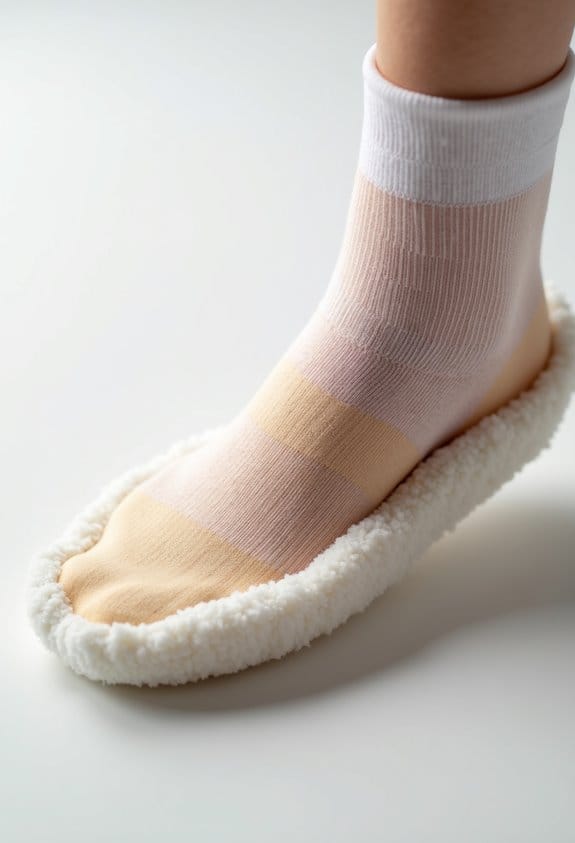
Comfort and protective cushioning are key aspects when selecting socks for individuals managing diabetes. Diabetic socks like the Thorlos Mens Diabetic Moderate Cushion Crew offer cushioning designed to protect sensitive feet by reducing impact and pressure, thereby preventing blisters and sores. These socks often feature padded soles combined with moisture-wicking fibers that keep feet dry and minimize irritation. Non-binding construction is essential, promoting circulation by avoiding constriction. “The combination of cushioning and moisture control greatly reduces foot complications,” states podiatrist Dr. Elaine Marks. Consumer reviews confirm this; the Women’s Moderate Cushion Ankle Diabetic Socks average a 4.8/5 rating for comfort and protective qualities. Prices generally range from $12 to $20, balancing durability and specialized design. Selecting cushioned, moisture-wicking diabetic socks guarantees effective foot protection without compromising comfort. Additionally, choosing socks with arch and heel support complements the cushioning to further reduce pressure points and improve foot stability.
Color Choices to Monitor Foot Health
Although diabetic socks come in various colors, choosing white or light shades greatly improves foot health monitoring by making injuries and wounds easily visible. Healthcare professionals often recommend white soles for enhanced detection of drainage and sores, a critical factor in early intervention. Color choices such as white, grey, soft blue, and sage provide options while prioritizing visibility of skin issues, helping identify discoloration that signals underlying problems. Expert podiatrist Dr. Simmons notes, “Light-colored diabetic socks enable patients to spot abnormalities quickly, reducing complications.” Additionally, distinct colors assist wearers in rotating socks and monitoring fabric wear, preserving maximal protection. The Thorlo Diabetic Thin Socks, priced around $14 per pair, exemplify this balance, featuring white soles and moisture-wicking fibers with clinical endorsement, making them a reliable choice for vigilant foot health management. Moreover, selecting socks made with moisture-wicking materials helps maintain foot dryness and comfort during extended wear, which is essential for diabetic foot care.
Differences Between Diabetic Socks and Compression Socks
Understanding distinct purposes between diabetic socks and compression socks guides better sock selection. Diabetic socks feature non-binding construction and seamless interiors to promote healthy circulation and reduce irritation, utilizing moisture-wicking fabrics that maintain dryness. Compression socks apply graduated pressure—typically ranging from 15 to 30 mmHg—to improve blood flow, primarily aiding venous insufficiency rather than general diabetic foot health. Dr. Patel, a podiatrist, emphasizes, “Compression socks’ tightness may risk restricted circulation in some diabetic patients.” Users report that diabetic socks, like the Dr. Comfort UltraSoft ($18/pair), provide comfort without tight constriction. In contrast, compression socks such as Medi’s 20-30 mmHg model ($32/pair) offer targeted support but may cause discomfort due to seams and elasticity. Selecting socks must consider individual circulation needs and sensitivity, balancing moisture-wicking benefits with appropriate pressure levels tailored to specific conditions. Moreover, pairing diabetic socks with shoes that have wide toe boxes and breathable materials enhances overall foot health and comfort.
Recommended Products

THIS WOMEN'S SHOE IS FOR: Runners looking for smooth, reliable cushioning for distraction-free runs. The Ghost 16 GTX offers an engineered air mesh upper, soft midsole and Segmented Crash Pad for smooth transitions plus waterproof protection. This Brooks Ghost 16 GTX is a certified PDAC A5500 Diabetic shoe and has been granted the APMA Seal of Acceptance. Predecessor: Ghost 15 GTX.
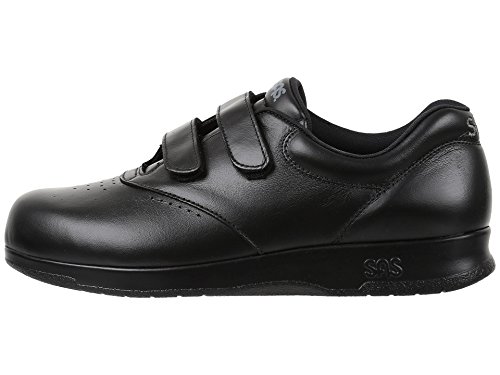
STAND-OUT ARTICLE: Get ahead of the pack when it comes to casual comfort with the SAS Me Too sneakers with premium leather uppers with a round, perforated toe
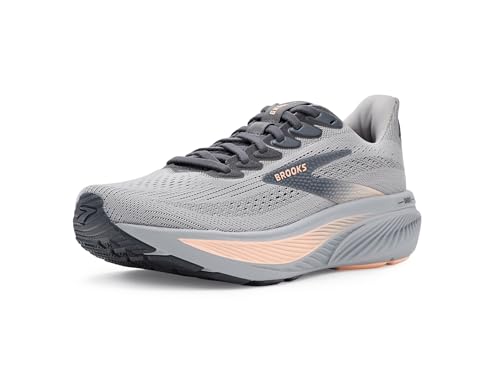
The Brooks Ghost 17 shoes offer balanced cushioning for smooth transition, support, and reliability in the long run. Their premium nitrogen-infused DNA Loft V3 provides a balanced ride and plush underfoot comfort. Crafted for ultimate comfort and pea
How Diabetic Socks Promote Circulation
Proper circulation is essential for diabetic foot health and is directly supported by the design of diabetic socks. These socks feature a non-binding construction that avoids tight elastic bands, ensuring blood flow remains unobstructed. Moisture-wicking fabrics, often polyester blends like CoolMax or bamboo viscose, keep feet dry—an important factor in maintaining healthy circulation and reducing infection risk. Padded soles provide cushioning that evenly distributes pressure, reducing localized stress and promoting consistent blood flow; models such as the Dr. Scholl’s Diabetes Control socks retail around $15-$20 per pair. According to podiatrist Dr. Lee, “Seamless interiors and breathable materials are vital in diabetic socks to prevent complications.” User reviews confirm comfort during all-day wear, with circulation improvements noted after consistent use. This specialized design meets the needs of those managing peripheral arterial concerns effectively. Additionally, choosing socks with breathable materials complements diabetic footwear by enhancing overall foot comfort and stability.
Preventing Foot Irritation With Sock Design
Several factors in diabetic sock design effectively prevent foot irritation, a common concern for individuals managing sensitive skin. Diabetic socks feature seamless interiors that eliminate friction points, minimizing foot irritation and reducing the risk of blisters. Moisture-wicking fabrics, such as CoolMax or merino wool blends, keep feet dry by efficiently pulling sweat away from the skin—this lowers the chance of bacterial growth and skin breakdown. The non-binding design avoids tight elastic bands around the ankle, promoting healthy circulation and preventing red marks or constriction. Experts like Dr. Linda Hoffman emphasize, “Proper sock design is essential for skin integrity in diabetic patients.” Additionally, users report comfort from padded soles that cushion sensitive regions. Brands such as Dr. Scholl’s and MediPeds offer models in the $12–$18 range, balancing performance with affordability. Combining diabetic socks with footwear that features breathable materials further enhances moisture control and overall foot health.
Choosing Socks That Fit Well With Protective Footwear
Selecting socks that fit well with protective footwear requires attention to design features that maintain circulation and reduce irritation while complementing the shoe’s structure. Diabetic socks with non-binding construction prevent tight elastic bands from impairing blood flow, crucial when paired with therapeutic footwear. Moisture-wicking fabrics are essential to keep feet dry, reducing risks of fungal infections in enclosed shoes. Proper cushioning supports the foot without bulk—enhancing shock absorption and comfort during daily activities. According to Dr. Linda Mason, a podiatrist specializing in diabetic care, “Seamless diabetic socks minimize friction where pressure points exist.” Customer John T. notes, “The seamless build and moisture control of MediCare’s diabetic socks drastically reduced my foot irritation.” Additionally, choosing socks designed with cushioning and support features complements the specialized dress shoes to further protect sensitive diabetic feet.
Recommended Products
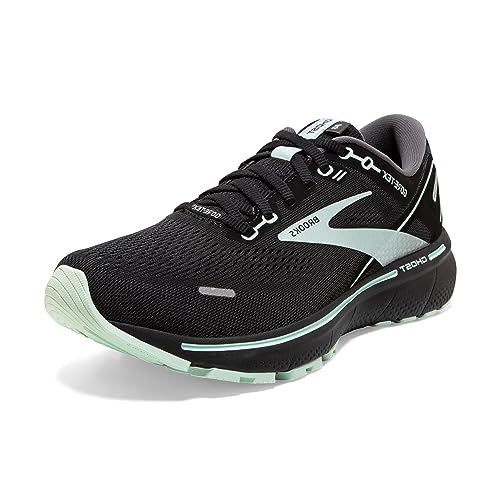
THIS WOMEN'S SHOE IS FOR: Runners looking for a smooth ride that won’t distract from the fun of the run. The Ghost 14 offers a simplified midsole construction which creates more seamless transitions. This Brooks Ghost 14 GTX is a certified PDAC A5500 Diabetic shoe and has been granted the APMA Seal of Acceptance. We recommend ordering Brooks running shoes 1/2 to one size larger than your dress shoe.
INSULATED BOOTS FOR MEN - Built for adventurous pursuits in extreme cold, the SELKIRK winter boot for men is designed for those who demand both performance and comfort when traveling through some of the world's harshest environments; successfully tested in polar regions and extreme weather conditions

THIS WOMEN'S SHOE IS FOR: Prepare for smooth transitions with the Glycerin 22, featuring DNA Tuned, the latest midsole technology that seamlessly blends and integrates dual-size cells, ensuring a balance of luxurious cushioning and energetic toe-offs. This Glycerin 22 is a certified PDAC A5500 Diabetic shoe and has been granted the APMA Seal of Acceptance. Predecessor: Glycerin 21.
Care and Maintenance of Diabetic Socks
Because diabetic socks play a critical role in foot health, their care and maintenance must be precise. Regular washing in warm water preserves hygiene by minimizing bacterial growth and maintaining inherent antimicrobial properties. Following manufacturer guidelines is essential—machine wash followed by air drying avoids damage to moisture-wicking fibers and cushioning elements critical for preventing foot problems. Frequent inspections for holes or thinning fabric guarantee protective features remain intact, reducing risks of injury. Storing socks in cool, dry areas prevents moisture buildup that can foster fungal infections or fabric deterioration. Experts recommend replacing diabetic socks every 6 to 12 months or earlier upon noticeable wear, guaranteeing continued support, comfort, and protection. As podiatrist Dr. Laura Simons states, “Proper sock care is foundational to effective diabetic foot management.”
Where to Find Quality Diabetic Socks
Where can individuals find diabetic socks that combine medical-grade functionality with everyday comfort? Specialist retailers like Fixing Feet Institute provide a range of high-quality diabetic socks designed for protecting your feet against diabetes-related foot complications. The best diabetic socks feature seamless interiors, moisture-wicking fabrics, and non-binding designs to promote circulation. Online marketplaces host well-rated options, such as Thorlos Men’s Moderate Cushion Crew Socks, rated 4.7/5.0 by users for cushioning and durability. The Falari Therapeutic Crew Socks cater specifically to neuropathy risks, offering breathability and cushioning. Trial offers, including 30-day free tests, help guarantee fit and comfort before purchase. Podiatrist Dr. Allen emphasizes that “choosing socks with targeted support is vital for diabetes-related foot health,” highlighting the need to know where to find quality diabetic socks that prevent foot injuries.
Recommended Products

15-20 mmHg Moderate Compression: Provides graduated compression support that gradually decreases up the leg to aid comfort and circulation


SHEERNESS AND SUPPORT: Featuring a sheer fabric with an elegant satin finish and a lightweight design. These garments provide medical compression therapy to manage fatigued legs, while ensuring comfort.
Frequently Asked Questions
What Type of Socks Should a Diabetic Wear?
Research shows 60% of diabetics experience foot complications. Ideal socks prioritize material choices for moisture control, proper sock fit to avoid constriction, and careful seam placement minimizing irritation, collectively supporting foot health with comfort and injury prevention.
How to Put Socks on if You Can’t Reach Your Feet?
Individuals unable to reach their feet utilize sock aids and dressing tools to facilitate sock application. These mobility assistance devices promote effective foot care by enabling independent, safe dressing while minimizing strain and preserving diabetic foot health.
What’s the Difference Between Diabetic Socks and Compression Sock?
Diabetic sock materials prioritize comfort and moisture control, ensuring proper sock sizing guide adherence to avoid pressure. Compression sock benefits focus on improved circulation. Effective sock care tips preserve both types’ functionality and longevity for peak foot health.
What Are the Best Diabetic Compression Socks?
Imagine socks auditioning for a spa day: +MD Extra Wide and PAPLUS lead, boasting diabetic sock materials, impeccable sock fit importance, cushioning benefits, and moisture management—turning tired legs into pampered paradises with every snug, breathable step.


