As an Amazon Associate, we earn from qualifying purchases. Some links on this site are affiliate links at no extra cost to you. Our recommendations are based on thorough research and editorial judgment.

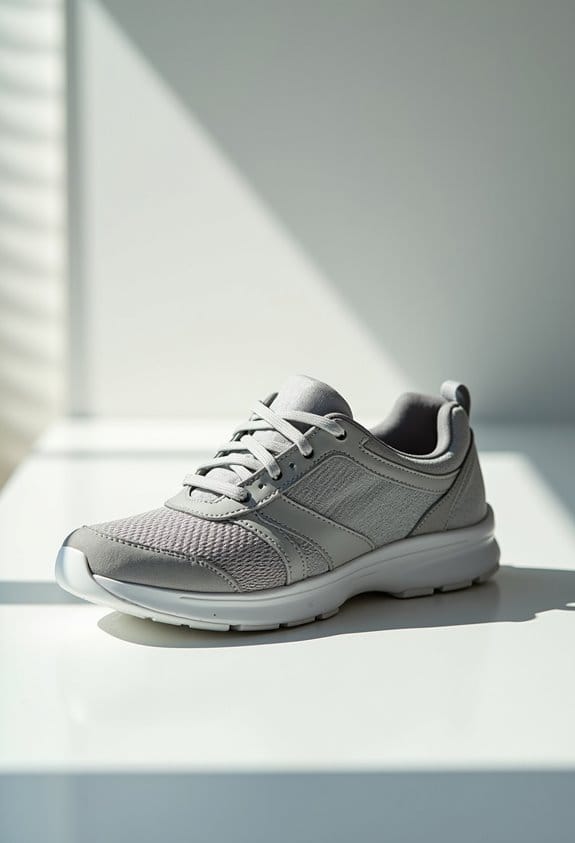
How Walking Programs and Proper Footwear Work Together in Diabetes

Walking programs improve insulin use and lower blood sugar, typically recommending 30 minutes or 10,000 steps daily. Proper diabetic footwear—such as Orthofeet Proven Pain Relief or New Balance 877—provides cushioning, antimicrobial protection, wide toe boxes, and arch support to prevent ulcers and distribute weight evenly. Experts emphasize gradual walking starts and regular foot inspections to avoid injuries. As one user noted, “Good shoes kept my feet pain-free on longer walks.” Additional insights cover safe walking techniques and technology integration.
Key Takeaways
- Proper diabetic footwear provides cushioning and pressure relief, reducing foot injuries and enabling longer, safer walking sessions for people with diabetes.
- Therapeutic shoes distribute weight evenly and accommodate foot deformities, preventing blisters, ulcers, and infections during walking programs.
- Gradually increasing walking duration with supportive shoes improves insulin sensitivity and cardiovascular health in diabetes management.
- Consistent use of specialized footwear and walking routines helps maintain foot health while enhancing mobility and comfort.
- Combining footwear care with glucose monitoring and foot inspections ensures safe, effective walking as part of diabetes self-care.
Health Benefits of Walking for People With Diabetes
Although managing diabetes requires a detailed approach, walking stands out as a simple yet effective intervention. Walking regularly improves the body’s use of insulin and lowers blood sugar levels, vital for diabetes management. Experts recommend 30 minutes or approximately 10,000 steps daily to reduce diabetes risk and stabilize glucose. Faster-paced walking further benefits cardiovascular health and aids weight control—key factors in controlling diabetes. Proper footwear helps protect sensitive feet and prevents injuries, promoting consistent walking and, thereby, enhancing long-term health outcomes. Selecting shoes with features such as arch support and cushioned insoles can greatly improve comfort and reduce foot complications for people with diabetes. Dr. Jane Lewis, an endocrinologist, states, “Incorporating walking with appropriate footwear is essential to a thorough diabetes care plan.” A user, Mark D., shares, “Walking with BikSPIKE shoes kept my feet safe and supported my glucose control.”
Choosing the Right Footwear for Diabetic Foot Care
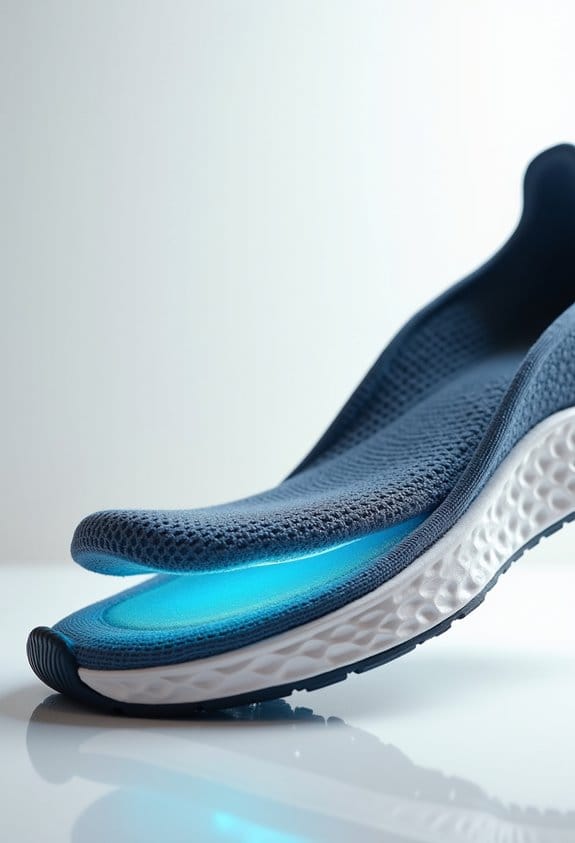
How does one select footwear that truly protects diabetic feet? Diabetic shoes help prevent foot complications by featuring cushioning, extra depth, and antimicrobial properties. These shoes reduce the risk of blisters, calluses, and ulcers—conditions affecting up to 25% of diabetic patients. Experts advise potential buyers to verify your shoes fit comfortably, allowing room for custom inserts without pressure points. Dr. Nolan, a podiatrist, notes, “Properly fitted therapeutic footwear is essential to maintain circulation and prevent infections.” Models like the Orthofeet Proven Pain Relief ($150–$180) combine medical-grade support with a wide toe box. User reviews frequently report reduced discomfort and improved foot health after switching to diabetic shoes. Selecting quality footwear and conducting regular foot inspections creates a reliable defense against serious foot complications for people managing diabetes. Additionally, shoes with breathable materials help prevent moisture buildup and reduce skin irritation, which is crucial for sensitive diabetic feet.
Recommended Products

Click here to explore DREW styles that are right for your ailments

MBT LEVEL 2 ROCKER: Features a medium-strong sole curve providing ample cushioning and muscle activation for all day everyday wear
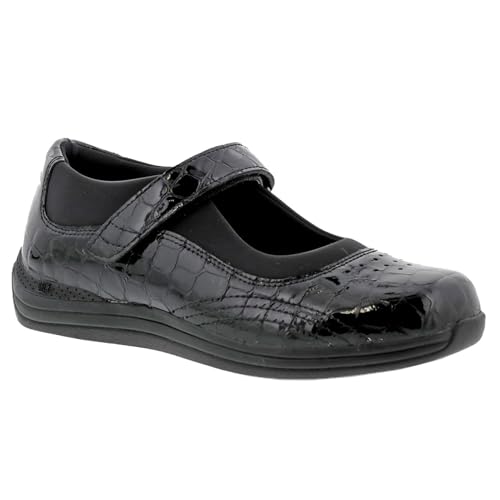
Plus Fitting System - Two Removable Footbeds for Added and Double Depth
How Proper Footwear Supports Consistent Walking

When diabetic footwear provides cushioning, pressure relief, and antimicrobial protection, it considerably supports consistent walking without injury. Shoes designed for diabetes, such as the Dr. Comfort Fusion ($140), prevent foot problems like blisters, calluses, and pressure sores by evenly distributing weight and reducing pressure points. According to podiatrist Dr. Angela Kim, “Proper shoes improve circulation and enable longer walking sessions with less pain.” Therapeutic footwear, including models with extra depth and soft insoles—like the Orthofeet Coral ($130)—minimizes infection risk and accommodates deformities, enhancing comfort. One user noted, “Since wearing my diabetic shoes, daily walking feels manageable, and pain has decreased considerably.” Regular use of such specialized shoes helps maintain mobility, supports blood glucose control, and promotes an active lifestyle—essential factors in diabetes management and foot health maintenance. Additionally, arch support in footwear is vital for reducing strain and preventing foot pain during walking.
Recommended Products

Crampon Compatibility: B2

The cushioning provides light shock absorption and a responsive rebound.

Enjoy the magic of the summer season with the truly cozy Mystic Adjustable Comfort Sandal from SAS.
Tips for Starting a Safe Walking Program With Diabetes

Building a safe walking routine requires careful planning and attention to individual health factors. Walking is a great way to improve circulation and manage diabetes, but it must begin gradually—starting with 10-minute sessions and building to 30 minutes daily helps avoid strain. To protect your feet, wearing properly fitted diabetic shoes designed to reduce pressure points and improve blood flow is critical; experts recommend models like the Drew Shoe Madison with prices around $150. Regularly monitor your blood sugar before, during, and after walking to maintain safe levels and carry snacks for quick energy if needed. Consulting healthcare providers guarantees the walking plan aligns with personal fitness and foot health. One user noted, “Proper shoes and monitoring made my daily walks safer and more enjoyable.” Additionally, choosing shoes with adjustable closures and wide toe boxes can help accommodate swelling and prevent foot injuries during walking.
Recommended Products

RELIEVE FOOT, LEG, AND BACK PAIN: Advanced spring heel, built-in orthotic, and rocker forefoot cut impact by 50%, reducing pain & improving posture by absorbing shock & distributing pressure evenly.

Strategies to Increase Daily Step Counts Effectively

Although increasing daily step counts may seem challenging, integrating simple strategies can effectively promote physical activity for individuals with diabetes. Taking brief walking breaks during work hours, such as lunch or phone calls, adds steps without consuming extra time. Parking farther from entrances and choosing stairs over elevators contribute additional movement throughout the day. Household chores, including gardening and cleaning, simultaneously boost physical activity and daily step totals. Experts recommend using pedometers or apps like Fitbit Charge 5—which tracks steps and heart rate with ±5% accuracy and costs around $150—to monitor progress and set realistic goals. Dr. Laura Jensen, an endocrinologist, notes, “Consistent walking and step tracking motivate individuals with diabetes to maintain active lifestyles.” Joining walking groups further enhances regular participation by providing social support and structured schedules. It is also important to wear comfortable, supportive shoes to prevent foot pain and injuries during walking activities.
Recommended Products
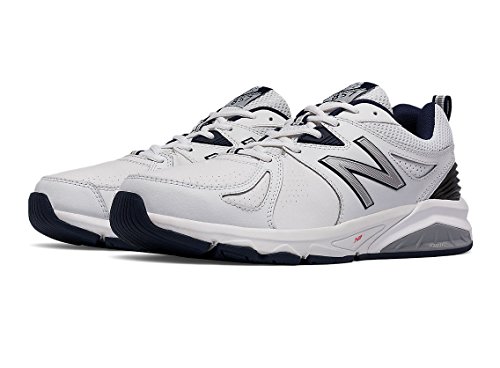
Removable insole

Long-lasting durability, superior protection, and zero break-in time comfort are what you can expect from the Thorogood Infinity FD Waterproof work boots.

MEDICARE AND DIABETIC APPROVED: This style is Medicare and Diabetic approved. It ensures the men’s shoes meet the standards for comfort and health benefits essential for individuals with specific medical needs. This approval makes the shoe a reliable choice for those requiring extra care and support.
Monitoring Blood Sugar Levels Before, During, and After Walking
Since maintaining blood sugar within safe limits is vital for individuals with diabetes, monitoring blood sugar levels before, during, and after walking becomes an essential practice. Checking glucose levels before walking helps decide if a snack is needed, preventing hypoglycemia and ensuring enough energy to stay active. During longer walks—lasting over an hour—carrying mid-walk snacks like fruit or yogurt supports stable blood sugar. After walking, monitoring provides valuable feedback on exercise effects, guiding future walking plans and dietary adjustments. People with diabetes must also carry diabetes identification and treatment for hypoglycemia, prioritizing safety. Proper monitoring reduces risks linked to foot ulcer development by helping maintain effective glucose control. As Dr. Smith advises, “Regular glucose checks paired with quality footwear enable safer, more effective walking programs.” Additionally, wearing shoes with adjustable closures can accommodate swelling and enhance comfort during diabetic walking routines.
Recognizing and Preventing Foot Complications in Diabetes
Preventing foot complications begins with selecting appropriate footwear designed specifically for people with diabetes. Diabetic shoes like the Dr. Comfort Cabriolet provide extra cushioning and support, distributing pressure evenly to avoid pressure on sensitive areas prone to ulcers. Approximately 15% of diabetics develop foot ulcers, underscoring the need for shoes with antimicrobial linings that reduce infection risk from minor wounds. Proper fit accommodates deformities such as hammertoes, preventing pressure sores and further complications. Regular foot inspections complement diabetic shoe use to identify early signs of foot complications. According to podiatrist Dr. Emily Wong, “Quality diabetic footwear is essential to minimize risks and maintain foot health.” One user noted, “Since switching to Soleready diabetic shoes, foot pain and blisters have decreased considerably.” Effective footwear serves as a frontline defense in diabetes foot care. Additionally, adjustable fits in diabetic shoes are essential to accommodate swelling and ensure optimal comfort during daily wear.
Recommended Products

Full-Grain Leather Upper With Antimicrobial Sock And Waterproof Bootie

Unwind, leave your worries behind, and simply relax and enjoy the comfort of the versatile SAS Relaxed Walking Comfort Sandal.

THIS WOMEN’S SHOE IS FOR: The Adrenaline GTS 24 provides support to every stride, now with nitrogen-infused DNA Loft v3 cushioning for even more lightweight, plush comfort. This Brooks Adrenaline GTS 24 is a certified PDAC A5500 Diabetic shoe and has been granted the APMA Seal of Acceptance. Predecessor: Adrenaline GTS 23.
Integrating Foot Care Into Your Walking Routine
Effective foot care integrates seamlessly with a structured walking routine, enhancing both safety and health outcomes for people with diabetes. Proper footwear designed specifically for diabetic needs—such as the Dr. Comfort Walker, offering extra depth and width—supports foot structure, improving circulation and reducing ulcer risk. Regular foot inspections, ideally after each session, identify minor injuries before they develop into serious complications. Importantly, well-fitted therapeutic shoes promote steady mobility, encouraging consistent physical activity critical for maintaining healthy blood sugar levels. Expert podiatrist Dr. Linda Sanchez states, “Selecting footwear that matches foot morphology and medical requirements is key to preventing wounds.” User testimonials from diabetic walkers highlight the comfort and confidence afforded by specialized shoes priced between $150 and $250. Integrating diligent foot care into walking routines optimizes diabetes management and reduces long-term complications. Additionally, shoes with removable footbeds allow for the use of personalized orthotic inserts, enhancing comfort and support tailored to individual diabetic foot needs.
Utilizing Technology to Track Walking Progress and Foot Health
Wearable technology offers extensive tools for monitoring walking activity and foot health in diabetes management. Devices like the Fitbit Charge 5 or the Orpyx SI Sensory Insole are specially designed to track walking steps, blood sugar levels via integrated apps, and critical foot health metrics such as pressure distribution and temperature. According to Dr. Ellen Chen, an endocrinologist, “These technologies provide real-time data that help patients prevent foot ulcers while maintaining ideal glycemic control.” Fitness apps analyze walking patterns and suggest low-impact routes, with reminders motivating adherence. User Mark L. shared, “Logging my daily 10,000 steps and foot pressure alerts transformed my routine and improved communication with my healthcare team.” Prices range from $100 to $400, reflecting the inclusion of advanced sensors and software integration for thorough diabetes care. Complementing these devices with orthopedic footwear can further enhance foot protection and overall comfort during walking programs.
Community Support and Resources for Walking and Foot Care
Although managing diabetes can be challenging, community support programs play an essential role in promoting safe walking and foot care. Local walking events organized by healthcare groups encourage physical activity and social interaction, aiding overall diabetes management. Accessible walking routes—featuring restrooms and cafes—are often mapped by local authorities to support convenient planning. A helpline at 0345 123 2399 offers personalized advice on foot care and proper footwear, including diabetic shoes fitted to protect sensitive feet while enhancing mobility. Online forums foster peer discussions on walking techniques and foot health maintenance, enriching community knowledge. Specialists emphasize diabetic shoes like the New Balance 877, priced around £120, proven to reduce foot ulcers. User testimonials highlight improved comfort and confidence, reinforcing the value of community support in sustaining effective walking programs and foot care routines.
Frequently Asked Questions
Can Walking Barefoot Occasionally Benefit Diabetic Foot Health?
Occasionally walking barefoot may offer barefoot benefits such as enhanced sensory feedback and improved skin health for some individuals. However, foot protection is essential for diabetics to prevent injuries and infections, making barefoot walking risky without proper caution.
How Do Weather Conditions Affect Footwear Choice for Diabetic Walkers?
Weather conditions influence diabetic walkers’ footwear choices through temperature effects, requiring breathable materials for warmth or cooling. Moisture management prevents fungal infections, while traction needs and seasonal considerations guarantee safety on slippery or uneven surfaces.
Are There Specific Brands Known for Diabetic-Friendly Walking Shoes?
Several diabetic shoe brands like Dr. Comfort and Orthofeet are recognized for supportive footwear, featuring cushioning technology and specialized arch support. These designs help reduce pressure points and enhance comfort for diabetic walkers during physical activity.
Can Walking Programs Replace the Need for Other Diabetes Medications?
Walking programs act as a key that may open up better glucose control, but they rarely replace diabetes medications entirely. Walking intensity must align with exercise guidelines, and medication adjustment requires professional oversight for safe, effective management.
How Often Should Diabetic Footwear Be Replaced for Maximum Protection?
Diabetic footwear should typically be replaced every 6 to 12 months, considering shoe lifespan, to guarantee ideal injury prevention and maintain foot health. Comfort factors, such as cushioning and fit, also dictate timely replacement for maximum protection.


