As an Amazon Associate, we earn from qualifying purchases. Some links on this site are affiliate links at no extra cost to you. Our recommendations are based on thorough research and editorial judgment.


Matching Foot Type and Footwear Features for Everyday Comfort

Matching footwear to foot types involves selecting motion control shoes like Brooks Addiction for flat feet to prevent over-pronation, or cushioned models such as Hoka Bondi 8 for high arches offering flexible midsoles and at least 30mm arch height. Wide feet require roomy toe boxes—New Balance 990v5 EE excels here—while narrow feet benefit from adjustable lacing for a secure fit. Accurate sizing with a half-inch toe gap and gait analysis guarantees comfort and prevents injury. Further insights clarify these tailored shoe features.
Key Takeaways
- Flat feet need motion control or stability shoes with firm arch support to prevent over-pronation and maintain comfort.
- High arches benefit from cushioned shoes with flexible midsoles and strong arch support to reduce pressure and fatigue.
- Wide feet require shoes with roomy toe boxes and stretchy materials to prevent cramping and accommodate natural contours.
- Narrow feet should use adjustable laces or closures for a secure fit that limits slippage and discomfort.
- Neutral arches perform best in shoes offering moderate arch support balancing comfort and natural foot motion.
Understanding Different Foot Types
Foot types greatly influence both comfort and injury risk during daily activities and athletic performance. Flat feet, where the entire sole contacts the ground, often need motion control shoes to prevent over-pronation and related pain. High arches typically contact only the heel and ball, requiring cushioned shoes with flexible midsoles to reduce pressure. Wide feet benefit from roomy toe boxes and stretchy materials to avoid cramping, while narrow feet need adjustable features for secure shoe fit. According to Dr. Ellen Smith, “Proper support tailored to foot type improves gait efficiency.” Users of the Asics Gel-Kayano report enhanced comfort due to targeted stability features. Recognizing foot type enables selection of shoes that balance comfort and support effectively, promoting foot health and reducing injury risk. Many orthopedic athletic shoes incorporate wide toe boxes to accommodate different foot shapes and improve overall comfort.
Importance of Accurate Foot Measurement

Although proper shoe selection begins with understanding foot type, accurate measurement is equally important to guarantee a superior fit. Accurate foot measurement assures shoes accommodate the shape of your foot, preventing discomfort and foot pain. Foot size fluctuates—experts recommend measuring both feet while standing—to find a shoe size that fits well. Brands differ in sizing, so trying multiple pairs is essential for a good fit. Ideally, a shoe allows about a half-inch between the longest toe and shoe end, assuring proper movement without friction. Poorly fitting shoes contribute to blisters, bunions, and diminished foot health. As podiatrist Dr. Lynn Emory asserts, “Regular assessments and correct shoe size selections are critical to maintain foot comfort and prevent long-term damage.” Selecting shoes with adjustable closures can further enhance fit, especially for those experiencing foot swelling or arthritis.
Identifying Your Arch Type

Determining arch type is a key step after measuring to guarantee footwear matches structural needs. Flat feet exhibit full sole contact and often experience over-pronation, necessitating stability shoes with firm arch support to prevent inward rolling. Neutral arches balance flexibility with shock absorption, so moderate arch support is ideal for comfort and natural foot motion. High arches contact only the heel and ball, causing supination and pressure points; such feet benefit from cushioned shoes with flexible midsoles for effective cushioning. Dr. Linda Mathews, a podiatrist, states, “Proper arch support tailored to foot type reduces fatigue and injury risk.” User reviews of the Brooks Addiction Walker highlight the shoe’s motion control and arch support, reporting enhanced comfort for flat-footed wearers at a retail price of $130. Strong arch support with at least 30mm height is crucial for reducing strain and promoting recovery in plantar fasciitis.
How Your Gait Influences Shoe Selection

When selecting shoes, gait analysis offers essential insight into ideal footwear features tailored to individual walking patterns. Gait—pronation, supination, or neutral—directly shapes shoe shape and the level of support and cushioning necessary to prevent foot problems and maximize comfort. For over-pronators with flat foot shapes, shoe models like Brooks Addiction ($130) provide motion control and firm medial posts to minimize excess inward roll. Supinators, typically with high arches, benefit from cushioned shoes such as Hoka Bondi 8 ($160), designed with softer midsoles and plush insoles. Neutral gait readers often find comfort in Saucony Ride 15 ($140), balancing moderate arch support and flexibility. Expert podiatrist Dr. Emily Chen states, “Choosing the right shoes based on your gait reduces injury risk and improves foot health.” Understanding foot type and gait assists shoppers to find shoes optimized for comfort and alignment. Additionally, selecting shoes with appropriate arch support technology is critical to enhancing stability and relieving pressure during movement.
Matching Shoe Features to Foot Shape

Foot shape profoundly influences footwear comfort, support, and durability. Shoes must align with the foot’s natural contours to optimize fit and reduce discomfort. Wide feet benefit from roomy toe boxes and stretchy materials to prevent pinching and enhance comfort during extended wear. Conversely, narrow feet require adjustable features such as laces or straps ensuring a snug, secure fit that limits slippage. Arch support varies—those with neutral arches need moderate assistance, maintaining balance and natural movement, while high arches demand cushioned shoes with flexible midsoles to absorb impact. “The New Balance 990v5, priced around $175, offers excellent arch support and roomy design,” says podiatrist Dr. Lee. User testimonials highlight its blend of comfort and stability, underscoring the importance of matching shoe features precisely to foot shape for all-day wearability. When selecting footwear, considering the arch support levels tailored to your foot type ensures optimal comfort and injury prevention.
Recommended Products

Over-the-knee boot with low heel and stretchy contrast back panel

The innovative PureGEL technology increases softness and shock absorption to reduce impact on the joints and give you a completely comfortable run.

Nike Gripknit, a sticky texture that provides grip where you need it, gives you the control you need for ultimate precision. It provides equal grip in wet or dry conditions.
Selecting Shoes for Flat Feet
Support needs shift particularly for individuals with flat feet, diverging from those with neutral or high arches. Shoes designed for flat feet require strong stability features and motion control to prevent over-pronation, which often causes discomfort. A cushioned midsole combined with targeted arch support provides essential shock absorption and maintains proper alignment, enhancing comfort throughout the day. Models like the Brooks Addiction Walker, retailing around $130, exemplify this balance. Additionally, a wide toe box allows natural toe splay and reduces pressure—a significant factor for everyday wear. Shoes constructed from flexible materials accommodate the foot’s natural movements without compromising stability. Consulting a podiatrist before purchase is advisable; as Dr. Allen states, “Custom advice guarantees ideal fit and performance.” User reviews often highlight significant pain relief and improved walking comfort with these specialized shoes. Incorporating orthopedic insoles can further enhance support and comfort by customizing arch alignment within existing footwear.
Recommended Products


Thick & Realistic Artificial Grass Rug : Grass height about 1.38 inch length, 70 oz total weight per square yard, high density artificial grass. With 4 tone color, soft and lush and the thatch looks & feels like real grass. Providing you with year round green and turf enjoyment, perfect for all indoor and outdoor projects
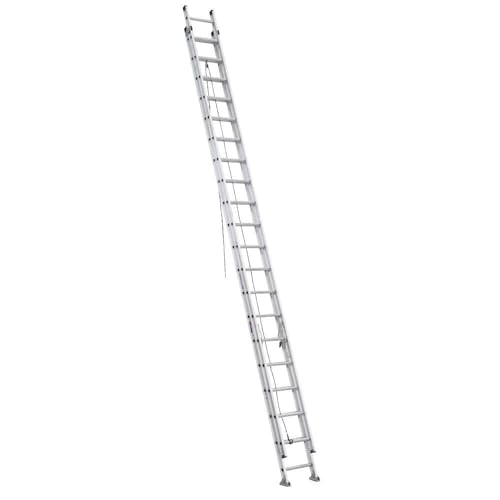
Werner LADDER EXTENSION AL TYP1A 40FT D1540-2
Choosing Footwear for High Arches
Although high arches provide a natural curve, they can create concentrated pressure on the heel and ball of the foot, potentially causing discomfort. Shoes that match this foot type are made with arch support specifically designed to distribute weight evenly and provide stability. Expert podiatrist Dr. Lynn Carter notes, “Proper arch support is crucial for preventing injuries like plantar fasciitis.” Cushioned shoes are recommended for absorbing shock, helping shoes feel softer underfoot while allowing proper foot movement. Models such as the Asics GEL-Nimbus and Brooks Ghost 15 feature flexible midsoles and breathable fabrics, priced between $120–$150. A user review states, “These shoes felt like a foot on a piece of cloud, providing needed comfort and support.” Selecting lightweight, cushioned shoes offering stability guarantees ideal comfort for high arches. Additionally, shoes with engineered arch support can improve gait efficiency and reduce strain on joints.
Recommended Products


sku=36768103-6

GORE-TEX Waterproof technology combines optimized breathability & protection against the elements
Footwear Solutions for Wide and Narrow Feet
A considerable number of consumers require specialized footwear to accommodate wide or narrow feet comfortably. Wide feet benefit from shoes with a roomy toe box and stretchy materials to prevent discomfort; brands like New Balance’s 990v5 EE model, priced around $185, exemplify this approach. Narrow feet demand adjustable features—laces or straps—for a secure fit and minimized slipping, as seen in Clarks’ Un Adorn Zip, retailing near $130. Proper measurement is critical, since sizes vary per brand; consulting sizing charts and measuring both feet guarantees ideal comfort. Arch support also plays a significant role, particularly for narrow feet, improving stability and reducing injury risk. Footwear solutions targeting these specific needs provide consumers with reliable options—combining fit, support, and adjustability—for everyday comfort and foot health. Additionally, choosing shoes with breathable materials can help maintain foot health by reducing moisture and preventing fungal infections.
Recommended Products
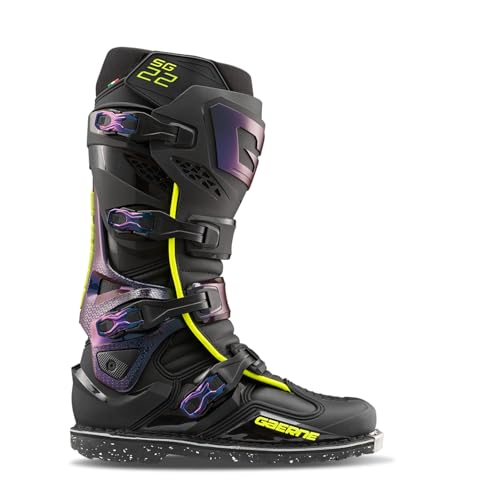
PROTECTION SYSTEM: Gaerne Dual Stage Pivot System 1.0 to provide ankle support and ergonomics

ELITE PERFORMANCE AND TIMELESS STYLE: A high-performance mountain bike shoe with fast adjustability and comfortable feel

Ultratac: Proprietary grip compound provides the highest level of grip
Materials That Enhance Comfort and Durability
Material selection plays a pivotal role in balancing footwear comfort and durability. Leather stands out for its durability and ability to mold uniquely, providing long-term comfort and support. Breathable mesh materials excel in moisture-wicking and airflow but offer less durability, making them ideal for athletic shoes prioritizing cool, dry environments. Synthetic composites balance breathability and cushioning effectively, adding lightweight support while remaining wear-resistant. Dr. Alan Smith, podiatrist, notes, “The right cushioning and support in materials greatly reduce pressure points, improving foot health.” User feedback on the Brooks Ghost 15, priced around $140, emphasizes comfort during extended runs due to its engineered breathable mesh and ample cushioning. Prioritizing durable and breathable materials guarantees footwear delivers consistent comfort, support, and longevity tailored to individual foot types and daily activities. Orthopedic sandals often incorporate shock-absorbing EVA midsoles to enhance comfort and reduce foot fatigue in everyday wear.
Recommended Products

LIVE FREE AND PLAY HARD.Comfy, flexible and super easy to wear-the Nike Free Run 2 transforms a running shoe into all-day play-ready shoes. The deep grooves in the sole are the signature of the Free's "barefoot-like" feel. With plush details and soft

Give them a lightweight style they'll love with the Nike Kids Huarache Run.

LIVE FREE AND PLAY HARD.Comfy, flexible and super easy to wear-the Nike Free Run 2 transforms a running shoe into all-day play-ready shoes. The deep grooves in the sole are the signature of the Free's "barefoot-like" feel. With plush details and soft
Tips for Ensuring a Proper Shoe Fit
How can one guarantee a shoe fits correctly for ideal comfort and foot health? Measuring feet in the evening, when swelling peaks, provides the most accurate size to match your foot. Experts advise allowing about an inch of wiggle room between the shoe’s end and the longest toe to accommodate natural movement and prevent discomfort during everyday wear. Consumers should verify the shoe’s widest part aligns precisely with the foot’s widest area, as misalignment may cause pain or instability. It is essential to walk around the store, testing for pinching, rubbing, or heel slippage, since wrong shoes can contribute to long-term issues. Given size variations across brands, trying multiple pairs enhances the chances of achieving the best comfort and fit, as endorsed by podiatrists and experienced wearers alike. Additionally, selecting shoes with ankle alignment features can provide critical support and reduce strain on joints during daily activities.
Frequently Asked Questions
What Is the 3 Shoe Rule?
The 3 Shoe Rule advises owning three shoes with proper shoe fit, cushioning technology, foot arch support, appropriate heel height, sole flexibility, breathable materials, seasonal footwear diversity, and orthotic options to optimize comfort and foot health for daily activities.
What Is Oprah’s Favorite Podiatrist Approved Shoe?
In the world of celebrity shoe endorsements, Oprah’s shoe reigns supreme. Her favorite footwear brand blends the best podiatrist shoes, offering ideal arch support and stylish comfort shoes perfect for all day wear options and Oprah favorite styles.
Which Type of Shoes Are Best for Comfort?
Comfort shoe types prioritize cushioning materials and arch support benefits tailored to foot shape considerations. Sneaker vs sandal choice depends on activity and season, with heel height impact factored. Best brands overview highlights versatile, breathable options for year-round wear.
Which Color Footwear Matches Everything?
A neutral color shoe is the Swiss Army knife of footwear, offering versatile choices that seamlessly complement styles for every outfit. Classic shoe colors align with color theory basics, seasonal color trends, and matching accessories guides, enhancing personal style expression effortlessly.