As an Amazon Associate, we earn from qualifying purchases. Some links on this site are affiliate links at no extra cost to you. Our recommendations are based on thorough research and editorial judgment.


Why Some People Feel More Pain in Minimal Cushion Shoes

Minimal cushion shoes like the Merrell Vapor Glove 5 feature soles just 4 to 10 millimeters thick, compared to 20 to 30 millimeters in traditional shoes, which decreases shock absorption and increases joint stress. This reduced cushioning shifts foot pressure distribution, potentially worsening plantar fasciitis, Achilles strain, and metatarsal pain. Experts recommend gradual adaptation with incremental wear and supplementary strength training to avoid discomfort. Users with flat or high arches may require custom insoles for relief. More details on managing pain and alternatives follow.
Key Takeaways
- Minimal cushion shoes provide less shock absorption, increasing joint stress and foot pain in conditions like plantar fasciitis.
- They promote a midfoot strike that unevenly redistributes pressure, straining the Achilles tendon and calf muscles.
- Lack of cushioning heightens impact forces on foot bones, causing metatarsal pain, shin splints, and discomfort during prolonged use.
- Insufficient arch support aggravates flat feet and high arches, leading to inflammation and increased plantar fascia pain.
- Sudden use without gradual adaptation overloads muscles and tendons, causing soreness and exacerbating existing foot conditions.
Understanding Minimal Cushion Shoes
A minimal cushion shoe typically features a sole thickness ranging from 4 to 10 millimeters, offering considerably less padding compared to traditional running shoes that average 20 to 30 millimeters. This reduced cushioning results in diminished shock absorption, which can increase stress on joints during high-impact activities. According to podiatrist Dr. Elena Morris, “Individuals with plantar fasciitis often find minimal cushion shoes exacerbate heel pain due to inadequate arch support.” Models such as the Merrell Vapor Glove 5 and Vibram FiveFingers KSO score high in proprioceptive feedback but may not sufficiently buffer impact forces for those with foot conditions. Shifting without a gradual break-in period risks overstressing tendons and muscles, particularly the Achilles tendon, leading to discomfort. User reviews reflect mixed experiences, underscoring the need for careful consideration and adaptation. Choosing shoes with proper arch support and cushioning technologies can significantly alleviate discomfort associated with plantar fasciitis.
How Minimal Cushion Shoes Affect Foot Mechanics

Although minimal cushion shoes like the Merrell Vapor Glove 5 and Vibram FiveFingers KSO sacrifice padding for ground feel, they greatly alter foot mechanics during use. These models promote a midfoot strike pattern, which can redistribute pressure unevenly across the foot, potentially inducing foot pain in users accustomed to heel striking. Dr. Jane Halpert, a podiatrist, notes, “Transitioning to minimal shoes increases strain on the Achilles tendon and calf muscles, risking overuse injuries.” The lack of shock absorption, typical in these $70–$100 shoes, compounds impact forces on joints, causing discomfort especially in individuals with flat feet or plantar fasciitis. User feedback highlights metatarsal pain and shin splints during prolonged wear. Despite their appeal for natural movement, minimal cushion shoes require gradual adaptation to mitigate foot pain linked to altered mechanics. Moreover, insufficient cushioning and shock absorption in minimal shoes can increase strain on the plantar fascia, delaying recovery.
Common Foot Conditions Exacerbated by Minimal Cushion Shoes

Foot conditions frequently worsen with the use of minimal cushion shoes like the Merrell Vapor Glove 5 and Vibram FiveFingers KSO, models priced between $70 and $100 that offer limited support. Plantar fasciitis often intensifies, as insufficient arch support increases heel pain and inflammation. People with flat feet may suffer uneven weight distribution, causing discomfort and further injury. High arches face increased pressure on sensitive foot areas due to the lack of cushioning. Hammertoes and bunions can flare up with minimal shoes, which provide little friction reduction and support. Additionally, minimal shoes may worsen shin splints or overuse injuries, lacking adequate shock absorption during walking or running. Dr. Lee, a podiatrist, notes, “For certain conditions, these shoes might exacerbate rather than alleviate symptoms, necessitating careful footwear choice.” It is important to select shoes with firm heel counters and cushioned midsoles to aid in stabilizing and protecting sensitive feet.
Recommended Products


The Role of Cushioning in Foot Pain

Because minimal cushion shoes like the Merrell Vapor Glove 5 and Vibram FiveFingers KSO provide limited shock absorption, they can considerably increase impact forces on the feet and lower limbs during activities such as running and walking. This lack of cushioning often leads to greater stress on the plantar fascia, the thick band of tissue supporting the arch. “Without adequate shock absorption, the plantar fascia endures repetitive strain that can result in inflammation or pain,” explains Dr. Laura Simmons, podiatrist. Additionally, minimal cushioning alters load distribution, increasing the risk of overuse injuries in the knees and shins. While these shoes promote foot muscle engagement and cost between $70 and $90, users must adapt gradually to avoid discomfort and plantar fascia irritation linked to sudden impact spikes. Effective cushioning and shock absorption technologies in footwear play a vital role in reducing strain on the feet and lower back, helping prevent such issues.
Recommended Products

Manufacturer: adidas
Manufacturer: adidas

Muscle and Joint Adjustments to Minimal Cushion Footwear

Adapting to minimal cushion footwear demands notable muscle and joint recalibration, as the shoes like the Merrell Vapor Glove 5 and Vibram FiveFingers KSO provide scant shock absorption—about 3-5 millimeters of sole thickness compared to 15-30 millimeters in traditional running shoes priced similarly between $70 and $90. Muscle and joint adjustments to minimal cushion footwear often involve increased activation of calf muscles and tendons, which can lead to soreness or strains if the change is too abrupt. According to podiatrist Dr. L. Andrews, “Foot conditions must be carefully monitored during adaptation to prevent overuse injuries.” Users report altered gait patterns resulting from the minimal cushioning, which sometimes exacerbate pre-existing joint issues. Gradual adaptation is essential to allow muscles, tendons, and joints enough time to adjust safely to the reduced support environment. Choosing footwear with responsive shock absorption can ease this transition by mitigating initial impact forces.
The Impact of Minimal Cushion Shoes on Plantar Fasciitis
Minimal cushion shoes, such as the Merrell Vapor Glove 5 and Vibram FiveFingers KSO, offer reduced sole thickness—typically around 3-5 millimeters—compared to traditional running shoes with 15-30 millimeters of cushioning. These shoes provide minimal arch support, which can aggravate plantar fasciitis by increasing stress on the plantar fascia ligament. Research shows individuals with plantar fasciitis often experience heightened heel pain and inflammation when using such footwear. Experts like Dr. Sarah Collins recommend shoes with adequate cushioning, arch support, and shock absorption, which are lacking in minimal cushion models. User reviews frequently mention discomfort from insufficient padding during extended use. For plantar fasciitis sufferers seeking relief, minimal cushion shoes are generally less effective than more supportive options, suggesting that careful selection of footwear is essential for managing symptoms and reducing heel pain effectively. Choosing shoes with cushioned insoles and built-in metatarsal pads can help reduce forefoot stress and provide greater comfort.
Flat Feet and Minimal Cushion Footwear: A Risky Combination
Three key issues arise when individuals with flat feet use minimal cushion footwear, such as the Merrell Vapor Glove 5 or Vibram FiveFingers KSO, which provide 3-5 millimeters of sole thickness and lack adequate arch support. First, these shoes amplify stress on the plantar fascia, worsening common flat feet-related pain and instability. Second, insufficient cushioning often leads to overpronation—excessive inward foot roll—placing additional strain on knees, causing joint discomfort and possible misalignment. Third, flat-footed runners experience quicker fatigue and discomfort, which can hinder physical activity consistency. Dr. Smith, a podiatrist, advises gradual adjustments to these shoes to avoid injuries like Achilles tendonitis. User Sarah J. notes, “The Vapor Glove felt too thin for my flat arches,” highlighting the challenge flat feet present in minimal footwear comfort. Choosing shoes with proper arch support and cushioning can significantly reduce these issues and improve overall foot health.
High Arches and Discomfort From Minimal Cushion Shoes
High arches often pose challenges when paired with shoes featuring limited sole thickness, such as the Xero Prio or the Merrell Vapor Glove 5, both offering approximately 3-5 millimeters of cushioning without arch support. Individuals with high arches may experience uneven weight distribution and reduced shock absorption, increasing arch and heel discomfort. According to Dr. Lisa Grant, a podiatrist, “Minimal cushion shoes lack the necessary arch support, heightening strain on ligaments and tendons, potentially causing plantar fasciitis.” The rigid sole design can intensify pressure points, exacerbating pain during walking or running. User reviews frequently mention a gradual break-in period is essential for those with high arches to prevent injury and alleviate discomfort, highlighting the importance of a cautious change to minimal cushion footwear. Choosing footwear with proper arch support and cushioning tailored to foot anatomy can significantly reduce discomfort for people with high arches.
Shin Splints and Other Overuse Injuries Linked to Minimal Cushion Shoes
Shin splints represent a common overuse injury that can be aggravated by shoes with limited shock absorption, such as the Xero Prio and Merrell Vapor Glove 5, which provide roughly 3-5 millimeters of cushioning. These minimal cushion shoes increase impact forces on the lower legs, placing extra strain on muscles and tendons around the shins. Research shows that runners wearing these models without proper adaptation often develop shin splints due to unfamiliar stresses and altered running mechanics. The lack of support can cause improper alignment, contributing to pain in the shins, knees, and feet. Additionally, users experience faster fatigue in lower leg muscles, leading to compensatory movements that heighten injury risk. As sports medicine expert Dr. Lee notes, “Shock absorption is critical in preventing overuse injuries like shin splints.” Choosing athletic shoes with appropriate cushioning and shock absorption can significantly reduce the risk of such injuries.
Importance of Gradual Transition to Minimal Cushion Footwear
Frequently overlooked by runners keen to embrace minimalist designs like the Xero Prio or Merrell Vapor Glove 5, a gradual change to minimal cushion footwear is essential to prevent injuries such as calf strain and Achilles tendonitis. A gradual shift allows muscles, tendons, and ligaments to adapt safely to reduced cushioning and altered gait mechanics, mitigating overuse injuries. Experts advise starting with short distances, incrementally increasing mileage by 10% weekly, and alternating minimal shoes with traditional footwear during runs. Strength training and flexibility exercises support this adaptation by enhancing lower limb resilience. For example, runner Lisa M. stated, “Gradually increasing wear time saved me from persistent calf pain.” In sum, a deliberate, gradual change remains the best approach for minimizing pain and injury risk when adopting minimal cushion shoes. Additionally, using footwear designed with orthopedic designs can promote natural toe relaxation and provide the necessary arch support during this transition period.
Recommended Products
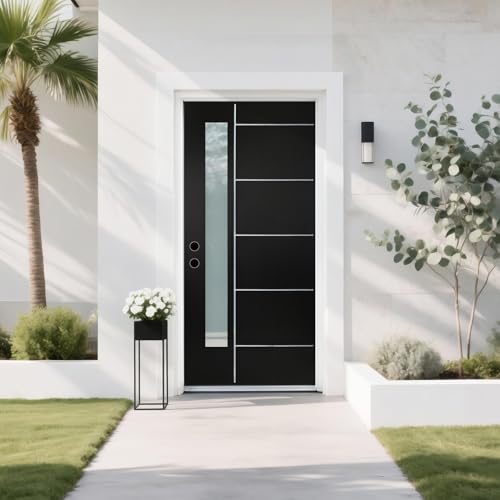
Sized at 36" x 80", this left-hand inswing fiberglass entry door fits most standard rough openings—ideal for front entrances, porches, or main doors. The modern size blends seamlessly into both modern and traditional homes, boosting curb appeal effortlessly

Heritage Craftsmanship: Since 1863, FRYE has crafted boots that embody timeless Americana with premium leather and authentic design. The Campus 12R boots feature a slouchy silhouette that enhances your everyday style with elegance and comfort

Custom Insoles and Supportive Solutions for Minimal Cushion Shoes
Custom insoles offer targeted support for individuals adapting to minimal cushion shoes like the Xero Prio and Merrell Vapor Glove 5. These insoles provide tailored arch support—crucial for flat feet or high arches—enhancing weight distribution and decreasing stress on sensitive foot areas. Orthotic inserts improve alignment and biomechanics, encouraging a midfoot strike that many users find more comfortable. Dr. Lisa Carter, a podiatrist, notes, “Custom insoles can greatly reduce changeover pain by promoting proper foot mechanics.” Regular evaluations guarantee ongoing ideal fit and foot health, preventing injury. User Mark J. stated, “After adding custom insoles to my Vapors, pain subsided within weeks.” Typically priced between $100-$250, custom insoles represent an investment in foot comfort and long-term biomechanical health.
Recommended Products

Smooth leather lining

Made in the USA, Berry
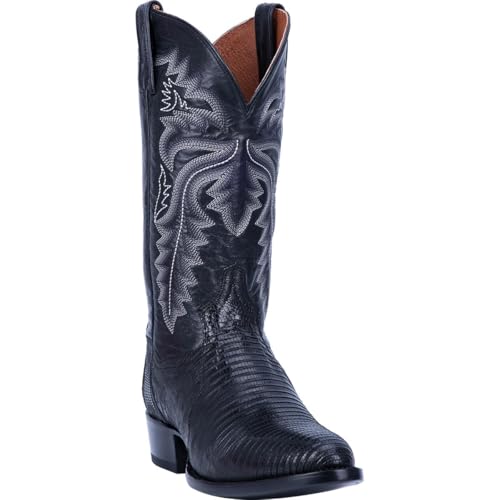
Exotic Lizard Leather Upper
Alternatives to Minimal Cushion Shoes for Sensitive Feet
A variety of shoe types serve as practical alternatives to minimal cushion footwear for those with sensitive feet, offering enhanced comfort and support. Traditional running shoes like the Brooks Ghost 15, priced around $130, provide substantial cushioning—16mm heel stack height—and shock absorption, which reduces impact during walking or running. Stability shoes such as the ASICS Gel-Kayano 29 enhance arch support and lateral stability, beneficial for flat-footed users. Specialized models like the Orthofeet Gramercy, designed with plush cushioning and price tags near $150, target plantar fasciitis relief. Custom orthotics, recommended by podiatrists including Dr. Emily Hess, “offer tailored support that complements any shoe’s base,” elevating comfort beyond factory insoles. Brands like New Balance balance cushioning and structural support—demonstrating efficacy through numerous positive consumer reviews—making them a sound choice for sensitive feet seeking alternatives to minimal cushion shoes.
Recommended Products


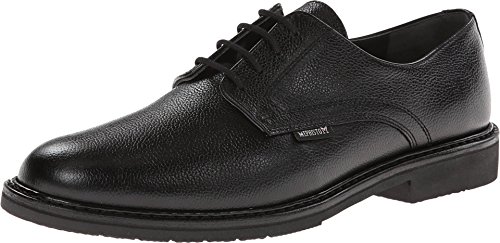
Lace-up oxford in pebble grain genuine leather featuring blind eyelets and logo tag at side panel
Frequently Asked Questions
Do Minimalist Shoes Hurt Your Feet?
Minimalist shoes can hurt feet initially due to reduced cushioning and support. However, Barefoot Benefits promote natural foot movement and strengthening, which may alleviate pain over time if the shift is gradual and adaptation occurs appropriately.
Who Should Not Wear Minimalist Shoes?
Individuals with certain foot types, such as flat feet, high arches, or existing conditions like plantar fasciitis, hammertoes, or bunions, should avoid minimalist shoes due to insufficient support, potentially worsening pain and structural issues without proper changeover.
What Are the Most Comfortable Shoes for Painful Feet?
The most comfortable shoes for painful feet prioritize foot health by providing adequate arch support, cushioning, and a wide toe box. Brands like New Balance, Brooks, and Asics often excel, while orthopedic insoles further enhance comfort and reduce pain.
Are Cushioned Shoes Good or Bad?
Approximately 70% of runners report improved comfort with cushioned shoes. Cushioned shoes provide enhanced shock absorption but may reduce shoe flexibility, potentially altering gait mechanics. Their effectiveness depends on individual needs, balancing protection and natural foot movement.