As an Amazon Associate, we earn from qualifying purchases. Some links on this site are affiliate links at no extra cost to you. Our recommendations are based on thorough research and editorial judgment.


Daily Foot Care Routines for Sensitive Bunion Areas

Daily foot care for sensitive bunion areas includes soaking feet in warm water with Epsom salts to reduce inflammation, followed by moisturizing with creams containing shea butter or urea for skin elasticity. Protective pads and toe separators help redistribute pressure—users report significant pain relief with brands like Dr. Scholl’s Bunion Relief Kit ($15–$25). Stretching and strengthening exercises, such as toe spreads and towel curls, improve foot function and comfort. Supportive, wide-toe-box shoes enhance mobility and reduce irritation. Further details explain ideal routines and monitoring techniques for lasting relief.
Key Takeaways
- Remove tight footwear and perform gentle toe stretches and massages to prepare and enhance comfort around bunion areas.
- Soak feet in warm water with Epsom salts to reduce inflammation before applying moisturizing creams with shea butter or urea.
- Use protective pads and toe separators to redistribute pressure and maintain proper toe alignment for bunion relief.
- Choose shoes with a wide toe box and arch support to minimize pressure and improve daily comfort.
- Monitor pain levels and swelling daily, seeking professional care if discomfort persists beyond two weeks or worsens.
Understanding the Causes and Symptoms of Bunions
Although often dismissed as a mere cosmetic concern, bunions are a complex deformity involving the misalignment of the metatarsophalangeal (MTP) joint, where the big toe gradually angles toward the second toe and forms a characteristic bony prominence. Bunions commonly cause pain, swelling, and discomfort at the toe’s base, often confused with arthritis or tendonitis. Genetic predisposition, ill-fitting footwear—such as tight, narrow, or high-heeled shoes—and conditions like gout contribute notably to their development. Women in their late 40s and beyond show increased risk, likely due to prolonged use of such footwear styles. As the deformity worsens, strain on surrounding ligaments, inflammation, and walking difficulties intensify. Footwear choices play a pivotal role—not only in causation but also in symptom management—highlighting the need for properly designed shoes to alleviate pain. Choosing shoes with a wide toe box is essential to reduce pressure and discomfort caused by bunions.
Preparing Your Feet for Daily Care

Effective management of bunion-related discomfort begins with properly preparing the feet for daily care. The initial step involves removing restrictive footwear to promote comfort and prevent additional irritation in sensitive bunion areas. Gentle toe flexing and stretching exercises serve as essential warm-ups, aiding in mobility enhancement and helping reduce stiffness, which supports overall joint health. A light massage further stimulates blood circulation, easing tension around the bunion and facilitating effective foot care. Establishing a mindful, relaxed mindset before beginning transfers benefits to the entire routine. According to Dr. Emily Grant, a podiatrist specializing in bunions, “Proper preparation maximizes treatment effectiveness by priming tissues and promoting flexibility.” User reviews commonly report improved comfort and easier movement when incorporating these preparatory actions into daily foot care regimens. Choosing shoes with a wide toe box during daily activities ensures reduced pressure and enhances comfort for sensitive bunion areas.
Recommended Products


Soaking and Moisturizing for Sensitive Skin

When caring for sensitive bunion skin, soaking feet in warm water with Epsom salts for 10 to 15 minutes daily greatly reduces inflammation and discomfort. Soaking softens the skin, making it more receptive to moisturizing treatments that prevent dryness and cracking. After soaking, feet should be gently patted dry to avoid irritation, then moisturized using creams with shea butter or urea for enhanced elasticity. Dr. Helen Marsh, a podiatrist, recommends, “Daily moisturizing reduces friction and improves skin resilience around bunions.” Users of AmLactin Heel and Foot Cream, priced around $12 per 8 ounces, report noticeable relief from soreness when applied regularly. It is essential to verify skin is clean and free from wounds prior to moisturizing, minimizing infection risk and maintaining peak skin health. Choosing footwear that offers wide toe boxes can also help reduce pressure and prevent further irritation to sensitive bunion areas.
Recommended Products

AROMASONG Dead Sea Bath Salt essential products are 100% pure & Organic Unscented mineral salt, makes Smooth your Dry Skin like never before! can be used to relax sore muscle. Great for Sitz Bath, Hemorrhoid & for making face scrubs.

Earthborn Elements Eucalyptus Epsom Salt, Lavender Epsom Salt, & Epsom Salt Bundle

Earthborn Elements Lavender Epsom Salt & Epsom Salt Bundle (5 Gallons Each)
Using Protective Pads and Toe Separators

In managing bunion discomfort, protective pads and toe separators serve distinct yet complementary roles. Protective pads—such as the Dr. Scholl’s Bunion Relief Cushion priced at $8—redistribute pressure away from the bunion, providing relief and preventing irritation during daily activities. Toe separators, like the YogaToes GEMS ($20), prevent the first and second toes from touching, easing discomfort by promoting proper alignment in early-stage bunions. Both devices should be chosen based on comfort and fit to avoid additional constriction or skin irritation. Dr. Emily Harper, podiatrist, advises consulting specialists to select appropriate bunion care aids tailored to individual foot sensitivity. Consistent use, combined with suitable footwear and mindful walking techniques, enhances effectiveness. User reviews highlight significant pain reduction when integrating these tools into daily bunion care routines. Many users find that incorporating gel toe separator correctors further aids in gentle realignment and prolonged comfort throughout the day.
Recommended Products

THIS WOMEN'S SHOE IS FOR: The Dyad 11 is perfect for runners who want a secure fit and a stable feel. Runners with slightly wider feet will also appreciate extra room in the forefoot. This Brooks Dyad 11 is a certified PDAC A5500 Diabetic shoe and has been granted the APMA Seal of Acceptance.

[ Adjustable Lacing Design ] Developing Bunion Correctors forover 4 years. The lacing design can freely adjust the correction angle according to the degree of the bunion, which can be precisely adjusted. Relievesbunions, Hallux Valgus, and crooked toes by protecting and gently realigning the toe. Enjoy walking again

HALF-TOE GRIP SOCKS: The Toesox Low Rise yoga socks are ready for all your barefoot activities, packing a protective punch for everything from your toes to your arches to your heels. A raised heel tab pads the Achilles tendon, and arch bands provide pressure to lift and support.
Gentle Stretching Exercises for Flexibility

Although bunions create localized tension and stiffness, gentle stretching exercises can improve flexibility and reduce discomfort in affected areas. Toe stretches, held for 10-15 seconds, relieve stiffness and enhance blood flow around the bunion joint. Toe spreads promote intrinsic foot muscle engagement, which helps counteract bunion-related forces. Calf stretches improve ankle mobility and decrease forefoot strain, contributing to overall flexibility. Additionally, toe circles increase joint mobility and offer gentle relief to the big toe. These gentle stretching exercises improve mobility in sensitive bunion areas without exacerbating symptoms. According to podiatrist Dr. L. Matthews, “Consistent, controlled stretching fosters better foot mechanics and may slow bunion progression.” User reviews highlight enhanced comfort and greater ease in daily activities after daily routines incorporating such stretches. Incorporating footwear with arch support can further aid in maintaining proper foot alignment during these exercises.
Recommended Products

Plus Fitting System - Two Removable Footbeds for Added and Double Depth Accomodates Orthotics With Removable Tri-Support Insole

Leather Upper

Please be sure to check the size chart before ordering: Sanita has recently updated its USA size conversion recommendations.
Strengthening Exercises to Support Foot Muscles
Incorporating targeted strengthening exercises enhances foot muscle support and helps manage bunion discomfort effectively. Strengthening exercises such as towel curls engage foot flexor muscles, promoting control over movements that alleviate bunion-related pain. Additionally, marble pickups improve toe dexterity and strengthen intrinsic muscles critical for better alignment. Toe squeezes and spreads boost forefoot flexibility while strengthening interosseous muscles necessary for balance. Calf stretches complement these by enhancing ankle mobility and reducing forefoot strain. According to podiatrist Dr. Anne Roberts, “These exercises support joint mobility and can considerably reduce stiffness in bunion-affected areas.” Users report noticeable improvements in foot function after consistent routines. Together, these exercises help manage bunion symptoms by maintaining muscle strength and foot flexibility, which is essential for long-term comfort and stability. Incorporating exercises alongside supportive footwear with a wide toe box can further reduce pressure and enhance comfort for bunion sufferers.
Selecting Footwear to Minimize Bunion Pressure
Strengthening foot muscles can improve support but choosing appropriate footwear remains a primary step in managing bunion discomfort. Footwear with a wide toe box—like the New Balance 990v5—alleviates pressure on sensitive bunion areas and promotes natural toe alignment. Narrow or high-heeled shoes worsen bunion pain and accelerate deformation. Arch support, as found in Brooks Addiction Walker ($130), redistributes pressure and enhances comfort for users with bunions. Flexible materials, such as soft mesh or leather, allow sufficient toe movement without constriction. Dr. Maria Lopez, podiatrist, emphasizes, “Proper footwear reduces irritation considerably and aids long-term foot health.” Custom orthotics or padded bunion cushions further relieve discomfort in sensitive zones. User reviews highlight improved daily mobility and reduced pain when switching to these considered, specialized footwear choices. Additionally, the integration of arch support technology in casual shoes has been shown to maintain proper foot alignment and reduce fatigue.
Recommended Products

Lace-up closure for easy on-and-off wear.
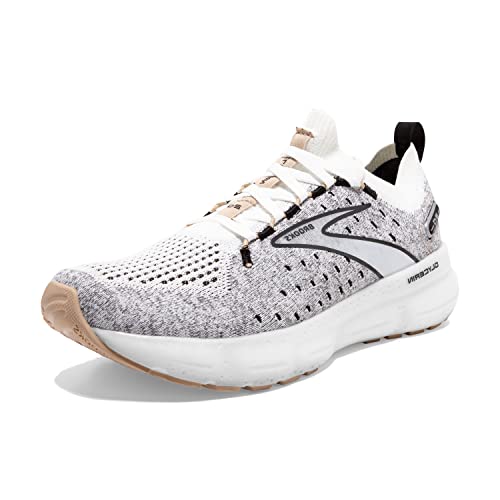
THIS WOMEN’S SHOE IS FOR: The Glycerin StealthFit 20 is for runners who want a close-to-foot fit and extreme softness in every step — so they can get lost in the comfortable ride and run distraction-free.
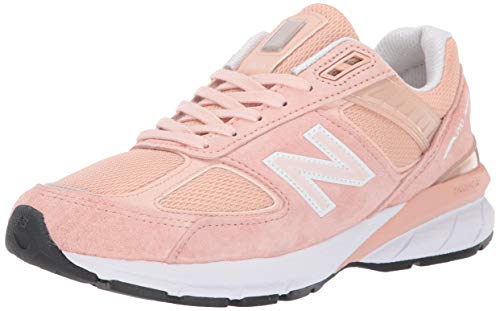
Manufactured in the US for over 75 years and representing a limited portion of our US sales. New Balance Made is a premium collection that contains a domestic value of 70% or greater.
Incorporating Mindful Movement Into Your Routine
When foot exercises include mindful elements such as focused breathing and controlled movements, bunion pain management improves greatly. Mindful movement, integrating practices like yoga or tai chi, lowers stress and enhances body awareness, directly benefiting foot care. Exercises help strengthen and increase flexibility, especially through gentle toe flexing that respects natural foot anatomy, reducing discomfort. Warm foot massages or soaking prepare the feet, improving relaxation and mobility prior to exercise. Dr. Linda Freeman, podiatrist, states, “Mindful exercises promote alignment and reduce tension around bunions, accelerating relief.” Users also report that focusing on breath and proper posture during routines increases exercise effectiveness and foot comfort. Incorporating relaxation techniques encourages consistent practice, making foot care a manageable daily habit for those with sensitive bunion areas. Choosing footwear with targeted arch support can further enhance comfort and reduce strain during daily activities.
Monitoring Progress and When to Seek Professional Help
Three primary factors indicate when bunion monitoring should shift from self-care to professional evaluation: persistent pain, notable swelling or redness, and structural changes in the bunion’s size or shape. Monitoring progress requires keeping a daily log of pain levels, footwear, and exercises. This log helps identify patterns that may worsen bunion discomfort and evaluates the effectiveness of home care. Professional treatment is recommended if persistent pain continues beyond two weeks or if swelling and redness do not subside. Dr. Elaine Morris, a podiatrist, emphasizes, “Timely evaluation prevents worsening deformities and improves outcomes.” Difficulty walking or finding comfortable shoes also warrants clinical attention. Sharing daily routines with a specialist allows tailored advice, ensuring proper intervention. Early professional help minimizes chronic complications and supports long-term foot health maintenance. Choosing shoes with a wide toe box is essential to reduce pressure and promote healing in sensitive bunion areas.
Frequently Asked Questions
How to Treat an Irritated Bunion?
Like a gardener tending delicate blooms, one treats an irritated bunion with soothing compresses and home remedies. Bunion pain relief stems from protective padding, icing, and gentle care, creating space for healing and easing discomfort effectively.
Why Is My Bunion Sensitive to Touch?
A bunion is sensitive to touch due to inflammation and pressure from misalignment, causing pain. Proper footwear options and pain relief methods address bunion causes by reducing friction, pressure, and irritation around the affected area.
How to Take Care of Feet With Bunions?
How can one best protect sensitive feet with bunions? Selecting proper bunion shoe options, performing regular bunion exercises, and maintaining diligent foot hygiene tips collectively reduce discomfort and prevent worsening, supporting overall foot health and mobility.
What Foods Make Bunions Worse?
Dietary influences like high refined carbohydrates, sugars, processed foods, and purine-rich items act as inflammation triggers worsening bunions. These factors, combined with improper footwear choices, exacerbate discomfort and contribute to increased pain and swelling in bunion-affected feet.


