As an Amazon Associate, we earn from qualifying purchases. Some links on this site are affiliate links at no extra cost to you. Our recommendations are based on thorough research and editorial judgment.


How Bunion Pain Can Lead to Knee and Hip Issues

Bunions—bony protrusions from joint misalignment at the big toe base—alter walking mechanics by shifting weight distribution. This misalignment causes increased strain on the knee joint, often contributing to pain and conditions like patellofemoral pain syndrome, and also raises stress on hip flexors, potentially leading to bursitis. According to Dr. Emily Hawkins, “early treatment correcting foot alignment can reduce secondary joint issues.” Exploring the connection between bunions and lower limb discomfort reveals key insights into effective management strategies.
Key Takeaways
- Bunions misalign the big toe, altering foot mechanics and causing uneven weight distribution during walking.
- This abnormal gait increases strain on knee joints, contributing to knee pain and conditions like patellofemoral pain syndrome.
- Compensatory movements to avoid bunion pain increase hip flexor strain, potentially causing chronic hip discomfort.
- Altered foot alignment affects knee and hip joint loading, compromising mobility and exacerbating joint pain.
- Early treatment of bunions improves foot structure, reducing compensatory stress on knees and hips.
What Are Bunions and How Do They Develop?
Bunions, medically known as Hallux Valgus, manifest as bony protrusions at the base of the big toe. These bunions are bony bumps that form due to a misalignment of the joints and abnormal positioning of the toe bones, often stemming from genetic factors and poorly fitting footwear. Over time, this misalignment disrupts natural foot mechanics, causing discomfort and limited motion in the toe. If untreated, bunions can escalate into chronic pain and lead to further structural complications within the foot and adjacent joints. According to Dr. Emily Grant, a podiatrist with 15 years of experience, “Early treatment, including orthotic support and proper shoe selection, can slow progression and alleviate symptoms, helping patients maintain foot function and comfort.” Choosing shoes with a wide toe box and proper cushioning is essential to reduce bunion pressure and improve overall foot health.
The Impact of Bunions on Walking Mechanics

Altered foot alignment frequently changes walking mechanics, especially when the big toe leans toward the second toe due to Hallux Valgus. A bunion disrupts natural weight distribution across the foot, forcing compensatory walking patterns that modify joint loading. Bunions cause pain that prompts individuals to change gait to reduce discomfort, which may unintentionally increase knee and hip pain risks. According to Dr. Maria Gonzalez, a podiatrist, “These altered walking mechanics stress muscles and joints upstream, often leading to further biomechanical issues.” Research links bunion-related gait changes to conditions like patellofemoral pain syndrome. As one user noted, “Adjusting my stride eased foot pain but caused new aches in my hips.” This illustrates how bunions affect walking mechanics—shifting forces, inducing muscle imbalances, and compromising joint stability, thereby impacting overall mobility and comfort. Selecting shoes with wide toe boxes can help relieve bunion pressure and support more natural walking patterns.
How Bunions Contribute to Knee Pain

Misalignment of the foot often leads to increased strain on knee joints. Bunions cause knee issues by shifting the position of the big toe, altering how weight is distributed during walking. This change forces the knees to compensate, placing additional stress that can cause knee pain and contribute to conditions like patellofemoral pain syndrome. Patients often report soreness and discomfort due to this misalignment, which may also increase strain on the hip, further complicating mobility. Experts in Foot and Ankle Surgery emphasize that early treatment can improve foot alignment, reducing knee stress and preventing long-term joint damage. Addressing bunions promptly not only alleviates foot pain but also limits the cascade of biomechanical problems that contribute notably to knee joint wear and tear over time. Using bunion relief shoes with wide, rounded toe boxes can help correct foot alignment and reduce the strain on the knees.
Recommended Products
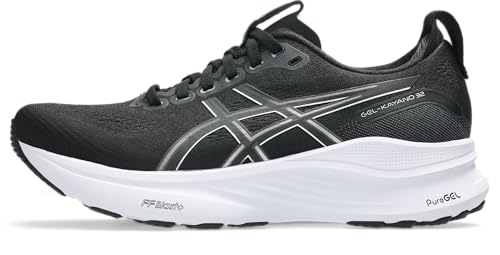
Consists of four different components that support the foot during performances — for ultimate stability

Updated 4D Guidance System for optimal stability

The Relationship Between Bunions and Hip Discomfort

Several studies have demonstrated that foot deformities like bunions greatly influence hip joint mechanics. Bunion pain alters gait mechanics, causing compensatory movements that increase strain on hip flexors and disrupt joint alignment. This misalignment often leads to hip discomfort and contributes to knee issues downstream in the kinetic chain. Chronic conditions such as hip bursitis and IT band syndrome may develop due to sideways joint stress linked to bunions. Treatment options—including orthotics and surgery—aim to correct foot structure, improving gait and reducing compensatory hip muscle strain. Dr. Lisa Martin, an orthopedic specialist, notes, “Addressing bunion pain early can prevent secondary hip problems by restoring proper biomechanics.” User testimonials also highlight significant pain relief and improved mobility post-treatment, emphasizing intervention’s role in mitigating hip discomfort related to bunions. Using shoes with a wide toe box and strong arch support can significantly aid in managing bunion-related gait abnormalities and reduce subsequent hip strain.
Recommended Products
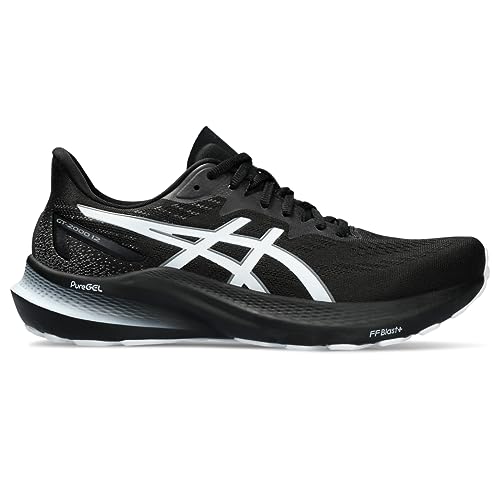
Jacquard mesh upper: Offers a supportive and comfortable kickstand

The upper is made of engineered technical mesh

Perforated panels, Reflective accents throughout, Cushioned collar and super-soft insole, Engineered for the needs of multi-functional athletes and movement-based workouts, Ultra lightweight design
Identifying Which Pain to Address First

Pain originating from bunions frequently triggers a cascade of discomfort extending to the knees and hips. Bunions can also cause gait alterations that misalign the joint at the base of the big toe, leading to compensatory stress in the knee and hip joints and resulting in pain in these areas. Healthcare professionals emphasize addressing the root cause—often the bunion itself—before focusing on knee and hip symptoms. “Correcting foot alignment can reduce downstream joint strain,” explains Dr. Smith, an orthopedic specialist. Patients considering bunion surgery should do so only after thorough evaluation, as surgical intervention might prevent progression of related conditions like patellofemoral pain syndrome. By prioritizing bunion treatment, healthcare providers aim to alleviate the primary source of discomfort, thereby improving overall joint function and reducing long-term complications. Using bunion corrector shoes designed with ergonomic arch support and cushioning can also alleviate foot fatigue and improve alignment to help prevent secondary joint issues.
Treatment Options and When to Seek Surgery
Managing bunion pain starts with conservative treatments such as custom orthotics, physical therapy, and specialized footwear designed to improve foot alignment and reduce pressure on the affected area. These treatment options aim to correct foot mechanics and alleviate associated knee and hip pain, often preventing further joint stress. Non-surgical approaches can ease symptoms but typically do not correct the underlying deformity. Surgical intervention, like Lapiplasty®, realigns bones with precision and is recommended when pain persists or worsens despite conservative treatment. Experts advise consulting a specialist if bunion-related knee and hip pain become chronic, as early intervention may reduce future complications. As one user noted, “After using custom orthotics, my knee pain reduced noticeably,” underscoring the importance of addressing foot mechanics early. Choosing orthopedic sandals with proper arch support can also play a crucial role in reducing bunion pain and its impact on the knees and hips.
Recommended Products
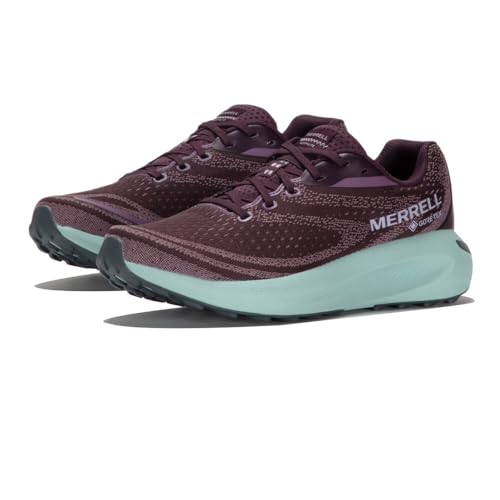
Jacquard upper with GORE-TEX waterproof membrane, bonded InvisibleFit construction for lightweight, breathable protection

Custom-Fit Running Orthotics – Tailored from your foot impressions, these insoles provide personalized support for flat feet, high arches, and foot pain.

12 mm drop; due to variances created during the development and manufacturing processes, all references to 12 mm drop are approximate
Frequently Asked Questions
Can Bunions Affect Your Hip?
Bunion symptoms can affect hip joint stress through altered foot alignment and poor footwear choices, causing mobility limitations. Effective pain management includes physical therapy and, if necessary, surgical options to restore function and reduce discomfort.
Can Bunions Cause Sciatic Nerve Pain?
Approximately 25% of individuals with bunions report pain radiating to lower extremities. Bunion nerve irritation affects spine alignment, creating discomfort patterns. Treatment options, including appropriate footwear impact and holistic approaches, are essential to alleviate sciatic nerve pain and improve outcomes.
Can a Bunion Affect Your Knees?
A bunion can affect knees by altering gait. Bunion treatment options include arch support benefits, footwear recommendations, lifestyle adjustments, pain management techniques, stretching exercises, physical therapy, and surgical solutions to improve alignment and reduce knee strain.
Can a Bunion Make You Feel Painful to Walk?
Bunion pain frequently causes walking discomfort by disrupting foot alignment and promoting an abnormal gait. This leads to joint stress, worsened by improper footwear choices. Effective treatment options and pain management are essential to alleviate walking difficulties.


