As an Amazon Associate, we earn from qualifying purchases. Some links on this site are affiliate links at no extra cost to you. Our recommendations are based on thorough research and editorial judgment.


Foot Exercises That Support Bunion Management

Effective foot exercises for bunion management focus on strengthening intrinsic muscles and improving toe flexibility. Toe points and curls—performed in 20 repetitions with 2-3 sets—enhance foot strength, while assisted toe abduction using an exercise band improves alignment, as Dr. Lisa Freeman highlights. Additional practices like marble pickup and heel raises support stability and reduce discomfort. Incorporating supportive footwear with a wide toe box further alleviates pressure. A deeper exploration reveals detailed routines and expert tips for optimized foot health.
Key Takeaways
- Toe Points and Curls strengthen foot muscles, enhancing flexibility and reducing bunion discomfort.
- Assisted Toe Abduction with an exercise band improves big toe alignment critical for bunion management.
- Marble Pickup exercises increase toe strength and coordination, aiding foot stability.
- Heel Raises build calf and arch strength, supporting foot structure and alleviating bunion pain.
- Toe Spread-Outs and Toe Circles enhance small muscle flexibility and reduce stiffness in bunion-affected toes.
Toe Points and Curls
Although simple in execution, toe points and curls serve as a foundational exercise to address bunion discomfort by flexing and extending the toes, which actively engages the intrinsic muscles beneath the feet. Sitting with feet raised approximately 6 inches off the ground, this exercise targets the toe area to relieve pain and improve muscle coordination. Experts recommend 20 repetitions per session, completing 2 to 3 sets to enhance foot strength and flexibility. According to podiatrist Dr. Elaine Harper, “Consistent practice strengthens the muscular support around the bunion, reducing strain and stiffness.” Users report noticeable decreases in discomfort after weeks of daily practice. This straightforward routine can mitigate pain caused by bunions, preventing further deterioration while boosting overall foot health through increased muscle activation and improved alignment. Wearing bunion-friendly shoes during daily activities can further support these exercises by reducing pressure and enhancing comfort.
Toe Spread-Outs

Toe Spread-Outs target the small muscles between the toes, promoting strength and flexibility. This exercise is performed seated with the foot flat, heel fixed, and toes lifted and spread apart deliberately. Repeating this motion 10 to 20 times per foot enhances toe mobility and may aid in pain reduction associated with bunions. Regular practice aligns foot structures gradually, which can lessen bunion-related discomfort without immediate need for bunion surgery. Dr. Susan Taylor, a podiatrist, states, “Toe Spread-Outs improve muscle control, supporting foot health and delaying invasive procedures.” User reviews often note increased comfort after daily sessions, emphasizing improved balance. When combined with other exercises, these toe movements create a thorough regimen for conservative bunion management, providing non-surgical support that reinforces foot strength and encourages proper alignment. Additionally, wearing bunion relief shoes with wide toe boxes can complement these exercises by reducing pressure and promoting comfort during walking.
Toe Circles

Rotating the big toe in deliberate circles mobilizes the joints and enhances flexibility. Toe circles involve gripping the big toe and performing 20 rotations clockwise and counterclockwise to guarantee balanced joint movement. Typically done in 2 to 3 sets, this exercise helps reduce stiffness and improves overall toe mobility, making it advantageous for bunion management. According to Dr. Lisa Morgan, a podiatrist, “Toe circles facilitate improved range of motion and support foot health by combating joint rigidity.” Consistent practice of toe circles encourages better alignment and flexibility in the toe joints, positively impacting foot biomechanics. User reviews highlight decreased discomfort during daily activities after integrating toe circles into their routines. Ultimately, toe circles are a simple but effective exercise for maintaining foot health in individuals managing bunion symptoms. Incorporating activities with breathable, cushioned footwear can further enhance comfort and reduce fatigue while performing foot exercises.
Assisted Toe Abduction With Exercise Band

Building upon joint mobility achieved through toe circles, Assisted Toe Abduction with an exercise band targets the strengthening of intrinsic foot muscles by actively separating the big toes. This exercise involves wrapping a resistance band around the big toes and pulling them apart slowly, held for about 5 seconds per repetition, with 20 repetitions recommended. Strengthening these muscles promotes improved toe alignment, an essential factor in bunion management, and complements the use of proper footwear that supports foot structure. The exercise can be performed seated or standing, catering to varied skill levels while enhancing flexibility and comfort. Dr. Lisa Freeman, a podiatrist, notes, “Consistent toe abduction exercises mitigate bunion progression—patients report reduced pain with disciplined practice.” Expert guidance suggests integrating this exercise in broader foot health routines for ideal results. Pairing these exercises with targeted arch support in walking shoes can further alleviate strain and improve foot biomechanics.
Recommended Products

STURDY & HIGH CAPACITY: Our stable Metal Squat Machine boasts load capacity of 350 lbs, made with durable steel frame and equipped with non-slip foot pads; Its solid construction ensures handles intense workouts for experiencing stretching, sissy squats and hip thrust with confidence
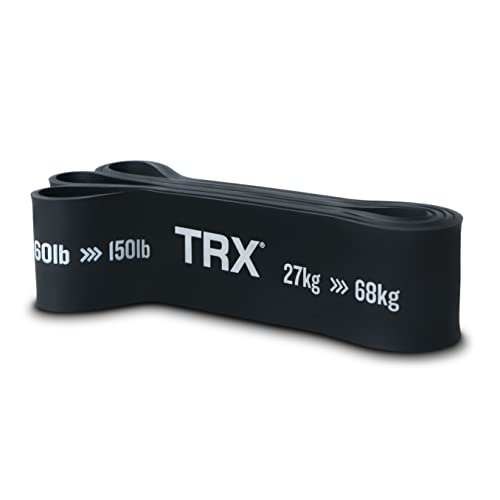
WHAT’S IN THE BOX: Add an extra challenge to your resistance training with a TRX long resistance band in a full-body size. This band has a 60-150 lb resistance amount. We offer multiple weights to choose from, so you can perfect your ideal resistant band workout routine.

Safer Silicone Material: AugKnot resistance bands set are made of exclusively developed patented polymer material, Lab-proven to be safer than fabric or latex bands, and 3x more tear-resistant than rubber band. Silicone workout bands not only feature soft, Anti-slip, It will never turn white and has no odor, but also can withstand extreme tensile force. So that you can train without any worries of tear or wear. The exercise bands can remain high elastic after years of training and exercising
Ball Roll

Utilizing a tennis or lacrosse ball to massage the foot, the Ball Roll exercise targets tension caused by bunions. This method involves placing the ball on the floor and rolling the foot and ankle over it for 3 to 5 minutes per foot, focusing on sore areas. Regular practice enhances blood circulation, increases flexibility in muscles and joints, and reduces stiffness associated with bunions. It is an accessible, at-home option suitable regardless of bunion location. According to Dr. Emily Harris, a podiatrist, “The Ball Roll encourages tissue relaxation, which can mitigate discomfort and support mobility.” Users report improved foot comfort and ease in wearing shoes after consistent use. Incorporating this exercise into daily routines can effectively keep your feet healthy while managing bunion symptoms. Additionally, pairing exercises like the Ball Roll with wide toe box footwear can further alleviate pressure on sensitive areas and improve overall comfort.
Recommended Products
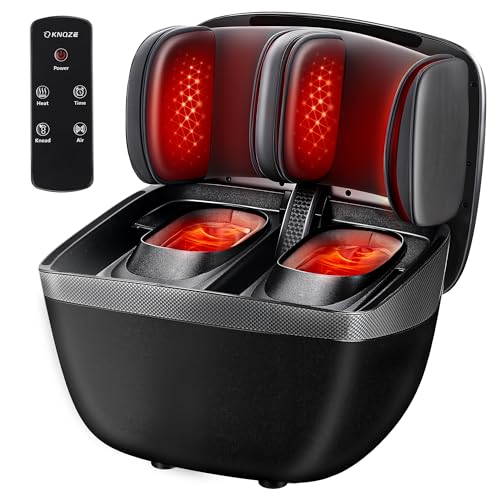
【2-in-1 Foot & Calf Massager】The KNQZE shiatsu foot & calf massager uses kneading, squeezing, and soothing heat to deliver a professional-style massage. Its 360° wrap-around design helps ease tension from your feet up through your calves, suitable for relieving everyday tiredness. Ideal for office workers, fitness enthusiasts, standing workers, or anyone seeking daily stress relief, it helps you unwind into deep relaxation.

BEST VALUE 150 COUNT PACK: Featuring TOUGH GRIP Technology, our revolutionary rubber formula creates a better feel and gives you more control rep after rep. Save with this 150 Pack of Lacrosse Balls!
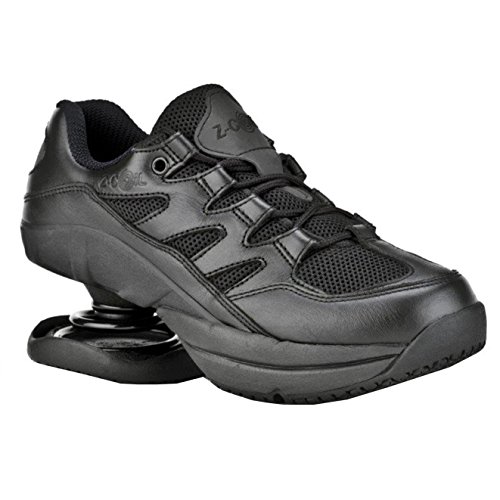
RELIEVE FOOT, LEG, AND BACK PAIN: Advanced spring heel, built-in orthotic, and rocker forefoot cut impact by 50%, reducing pain & improving posture by absorbing shock & distributing pressure evenly.
Towel Grip and Pull
Following the Ball Roll exercise, attention can shift to strengthening the foot muscles with the Towel Grip and Pull. This exercise involves sitting and using toes to grip a small towel, pulling it toward the body, which targets foot muscle strength and dexterity. Performing the exercise for up to 5 minutes daily can help reduce bunion-related pain and improve foot alignment. Proper footwear must fit properly to complement these exercises, preventing additional discomfort. According to Dr. Jane Smith, a podiatrist, “Consistent Towel Grip and Pull practice enhances muscular balance, potentially alleviating pressure on the bunion.” Users have noted diminished pain after weeks of adherence. This low-cost, easily integrated exercise supports bunion management effectively without requiring specialized equipment or extensive time commitment. Choosing shoes with advanced arch support can further enhance the benefits of these exercises by promoting proper foot alignment and comfort.
Recommended Products

Full Orbit Pilates Reformer With Tower - FAITTD is a brand that offers professional Pilates equipment.The "Master Reformer" is a state-of-the-art professional rehab machine, whose careful design, modern lines and high-quality finish make it extremely attractive and recommended for professional use in private homes and commercial studios.

𝗔𝗱𝗱𝗿𝗲𝘀𝘀𝗲𝘀 𝗖𝗼𝗺𝗺𝗼𝗻 𝗣𝗮𝗶𝗻 𝗣𝗼𝗶𝗻𝘁𝘀: Designed to alleviate back pain, plantar fasciitis, sciatica, herniated discs, tight hamstrings, achilles tendonitis, and poor posture, offering a comprehensive solution for better mobility and overall wellness.

Dycem material is the ideal non-slip material choice for improving grip, providing stability, and enhancing visual cues during everyday activities and exercise
Marble Pickup
Engage the toes actively by performing the Marble Pickup exercise, which enhances fine motor control and muscle strength in the foot. Sitting comfortably, one spreads 10 to 20 marbles on the floor and uses the toes—especially the big toe—to grip and lift each marble, placing them into a bowl. This action promotes dexterity and strengthens muscles around the toes, which helps prevent worsening of bunion deformities. Experts emphasize that consistent practice—focusing on speed and accuracy—optimizes benefits and improves toe alignment. A physical therapist notes, “Marble Pickup targets critical muscles often neglected, aiding in bunion symptom management.” Users report increased toe flexibility and reduced discomfort after weeks of daily sessions. Overall, Marble Pickup is a simple, accessible exercise supporting bunion care through improved foot coordination and muscle engagement. Incorporating arch support technology in footwear can further enhance the effectiveness of such exercises by providing stability and reducing strain during daily activities.
Recommended Products

Provides resistance for key foot exercises used in clinical rehab of the arch and foot Strengthening the intrinsic and extrinsic musculature of the foot Treats a variety of...
Figure Eight Rotation
After performing Marble Pickup exercises to develop toe strength and coordination, attention can shift to improving toe flexibility through the Figure Eight Rotation exercise. This targeted exercise involves moving each toe in a figure-eight pattern, recommended 10 times per toe, across 2 to 3 sets, to enhance joint mobility and reduce stiffness. Dr. Helen Turner, a podiatrist specializing in bunion care, notes, “The Figure Eight Rotation can prevent further pain by maintaining flexible toe joints and supporting overall foot function.” Regularly engaging in this exercise helps prevent discomfort associated with bunions and supports long-term foot health. Users like Mark P. report, “Incorporating these rotations lessened joint stiffness considerably.” This simple, effective exercise serves as an essential step in bunion management, complementing strength-focused routines and pain-prevention strategies. Pairing these exercises with supportive footwear that features a wide toe box can greatly enhance relief and comfort for those managing bunions.
Recommended Products
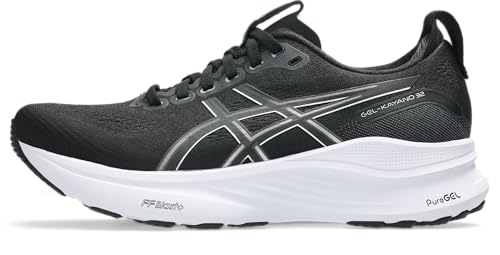
Consists of four different components that support the foot during performances — for ultimate stability

Lace-up closure for easy on-and-off wear.
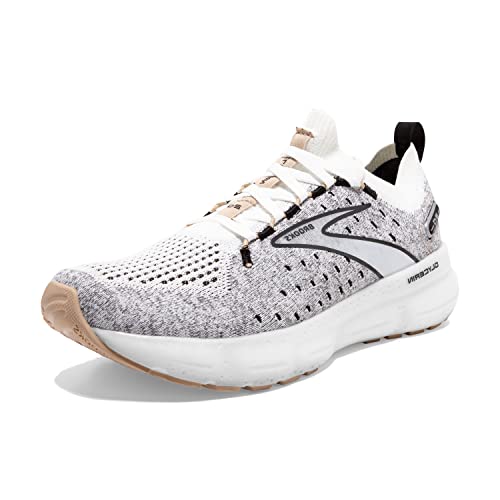
THIS WOMEN’S SHOE IS FOR: The Glycerin StealthFit 20 is for runners who want a close-to-foot fit and extreme softness in every step — so they can get lost in the comfortable ride and run distraction-free.
Barefoot Beach Walking
Several studies highlight barefoot beach walking as an effective exercise for bunion management. This activity promotes natural foot strengthening by engaging various muscles through uneven sand terrain, encouraging better alignment and toe splaying. Walking on sand provides a gentle massage and resistance, which supports arch and muscle development while reducing bunion-related discomfort. Dr. Emily Larson, podiatrist, notes, “Barefoot beach walking can enhance foot flexibility and reduce pain without stressing joints.” Proper footwear choices remain essential—shoes that fit well should complement barefoot exercises to maintain foot health outside the beach environment. User reviews of barefoot-friendly sandals like the Earth Runner $120 model often emphasize improved foot strength and reduced bunion pain after consistent use. Overall, barefoot beach walking is a low-impact yet effective method to support bunion care and foot functionality. It is important to wear shoes with a wide toe box to allow natural toe splay and reduce pressure on bunions during everyday activities.
Heel Raise
Building on exercises that strengthen foot muscles and improve alignment, heel raises specifically target the calf muscles and foot arch to support bunion management. The heel raise exercise involves sitting with the foot flat, then lifting the heel while shifting weight to the outer ball for a five-second hold—repeated ten times per foot. This movement enhances muscle activation, strengthens foot and toe muscles, and promotes better alignment, which helps reduce strain around bunions. Incorporating heel raises into a routine improves foot stability and can alleviate real pain associated with bunion formation. According to podiatrist Dr. Lisa Grant, “Regular heel raises can reinforce foot structure, providing both strength and balance—key factors for managing bunions effectively.” Users report noticeable comfort improvements after consistent practice. Additionally, wearing shoes with adjustable straps can complement these exercises by providing customized support that adapts to changes in foot shape and reduces pressure on sensitive areas.
Frequently Asked Questions
Can Foot Exercises Help Bunions?
“An ounce of prevention is worth a pound of cure.” Foot exercises can help bunions by improving foot alignment, reducing bunion symptoms, and strengthening muscles, potentially delaying progression and improving overall foot health with consistent practice.
Did Victoria Beckham Get Her Bunions Removed?
Victoria Beckham underwent celebrity bunion surgery in 2018 to address pain and deformities affecting Victoria Beckham’s feet. The procedure improved her comfort, allowing her to wear preferred footwear and manage her foot health more effectively.
How to Treat Bunions in Kids?
A child’s discomfort whispers urgency; treating bunions in kids involves recognizing bunion signs early, selecting proper children’s footwear with wide toe boxes, using custom orthotics, and consulting specialists to prevent progression and support healthy foot development.
How to Slow Down Bunion Progression?
Bunion progression slows through prevention tips such as wearing wide-toe shoes, using orthotic inserts, and avoiding pressure on bunion symptoms. Strengthening and stretching exercises also help maintain foot structure, reducing deformity advancement effectively.


