As an Amazon Associate, we earn from qualifying purchases. Some links on this site are affiliate links at no extra cost to you. Our recommendations are based on thorough research and editorial judgment.


Differences Between Heel Pain, Arch Pain, and Forefoot Pain

Heel pain typically originates from plantar fasciitis or Achilles tendon inflammation, affecting the heel’s rear or underside. Arch pain involves strain or structural anomalies like flat feet, producing discomfort along the foot’s middle curve, often worsened by inadequate support. Forefoot pain centers on the ball of the foot and toes, caused by metatarsalgia, neuromas, or toe deformities, presenting sharp or burning sensations. Differentiating these requires detailed examination and history, ensuring targeted treatment. Further insights into diagnosis and therapy follow.
Key Takeaways
- Heel pain commonly involves the back or bottom of the heel, often caused by plantar fasciitis or Achilles tendon issues.
- Arch pain occurs along the middle foot area, often due to plantar fasciitis or structural problems like flat feet.
- Forefoot pain affects the ball of the foot and toes, frequently caused by metatarsalgia, neuromas, or deformities like hammer toes.
- Diagnostic focus on exact pain location and patient history differentiates heel, arch, and forefoot pain for accurate treatment.
- Treatment varies by pain type, with heel pain needing stretching and orthotics, arch pain requiring support and strengthening, and forefoot pain needing pressure relief and activity modification.
Common Causes and Locations of Heel Pain
Although heel pain is often dismissed as a minor nuisance, its causes are varied and require careful distinction for effective treatment. The most common causes of heel pain include plantar fasciitis, heel spurs, and Achilles tendon issues, which typically manifest at the bottom of the foot near where the plantar fascia attaches to the heel bone. Plantar fasciitis is an inflammation of this ligament resulting from repetitive strain during physical activity, especially in runners and middle-aged adults. Heel spurs are bony protrusions caused by chronic stress but do not always result in pain. Achilles tendon problems, involving inflammation or injury at the back of the heel, are another frequent cause. Accurate diagnosis directs appropriate pain relief methods ranging from rest and icing to specialized orthotics or physical therapy. Choosing footwear with proper arch support and cushioning can significantly aid in alleviating heel pain and preventing further discomfort.
Recommended Products

GORE-TEX Waterproof technology combines optimized breathability & protection against the elements

DURABLE men’s hiking boots crafted from a combination of premium full-grain leather and abrasion-resistant 1000 Denier nylon

Recognizing Arch Pain and Its Underlying Issues

Arch pain affects many individuals and often signals underlying issues in foot structure or function. This pain commonly originates from conditions such as plantar fasciitis, inflammation of the connective tissue beneath the arch of the foot, or flat feet, which cause excessive strain. The discomfort can range from sharp stabbing sensations to dull aches, typically worsening after prolonged periods of standing or walking. Improper footwear lacking adequate arch support contributes greatly to these issues, and pain may sometimes radiate toward the heel bone. Early assessment by a foot specialist is essential to differentiate arch pain from other foot problems and to initiate targeted treatment. Addressing underlying issues with proper footwear and orthotic devices can prevent progression and reduce pain effectively, as confirmed by podiatrist Dr. Maria Gomez: “Timely intervention greatly improves patient outcomes.” Choosing sneakers with responsive cushioning and firm midsoles can also minimize joint impact and alleviate arch pain.
Recommended Products
DURABLE men’s hiking boots crafted from a combination of premium full-grain leather and abrasion-resistant 1000 Denier nylon

Durable, waterproof, polishable full-grain leather upper

Typical Symptoms and Sources of Forefoot Pain

Pain experienced in the forefoot region commonly involves the ball of the foot and toes, presenting distinct symptoms and causes. Forefoot pain often stems from metatarsalgia, characterized by sharp pain in the ball of the foot worsened by weight-bearing activities. Neuromas, particularly Morton’s neuroma, cause burning sensations and tingling between toes due to nerve tissue thickening. Structural issues such as hammer toes induce localized pressure and discomfort, sometimes accompanied by swelling or numbness. Ill-fitting shoes and participation in high-impact sports frequently exacerbate symptoms. According to podiatrist Dr. Emily Crawford, “Proper footwear selection is essential in managing forefoot pain.” Users report that switching to custom orthotics reduced neuroma-related burning sensations considerably. Understanding these typical symptoms aids patients in distinguishing forefoot pain from other foot ailments, ensuring timely and targeted interventions. Selecting shoes with ankle alignment features can significantly relieve forefoot discomfort by improving overall foot support and mechanics.
Recommended Products

RELIEVE FOOT, LEG, AND BACK PAIN: Advanced spring heel, built-in orthotic, and rocker forefoot cut impact by 50%, reducing pain & improving posture by absorbing shock & distributing pressure evenly.
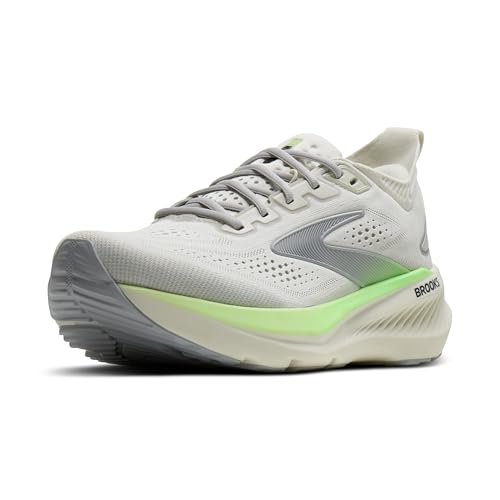
Updated DNA LOFT v3 cushioning for extra-soft comfort
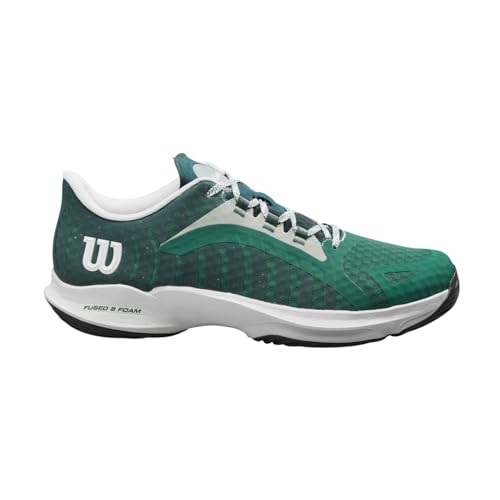
Traditional Fit: Provides ultimate blend of support, stability, durability, and cushion with every step
Diagnostic Approaches for Foot Pain Differentiation

Distinguishing between heel, arch, and forefoot pain begins with a thorough physical examination focusing on pain location, quality, and triggers. This primary diagnostic approach helps pinpoint the cause of foot pain by evaluating tenderness of the plantar fascia, Achilles tendon, or metatarsal heads. Imaging tests, including X-rays or MRI scans, further clarify underlying structural problems such as fractures, spurs, or soft tissue damage that may contribute to heel pain or arch pain. Patient history—covering pain onset, aggravating activities, and past injuries—plays a key role in differentiating plantar fasciitis from metatarsalgia or tendonitis. Specific physical examination maneuvers and symptom patterns—like sharp stabbing pain typical of plantar fasciitis versus burning sensations—guide clinicians in accurately diagnosing the foot pain’s origin and tailoring appropriate care. Proper footwear with adequate arch support and cushioning is also an important factor in both diagnosis and management, as it helps alleviate strain on the plantar fascia and supports foot health.
Recommended Products


Treatment Strategies Tailored to Specific Foot Pain Types

Effective treatment plans for foot pain depend on accurately identifying the specific area affected—heel, arch, or forefoot—and tailoring approaches accordingly. Heel pain, often caused by plantar fasciitis, benefits from stretching exercises targeting the plantar fascia and calf muscles, combined with custom orthotics designed for maximum arch support. Arch pain treatment plans focus on strengthening exercises, selecting proper footwear, and using arch supports or orthotic inserts to enhance stability and reduce discomfort. Forefoot pain management involves activity modifications, ice application to minimize inflammation, and foot pads to relieve pressure. Consulting a foot specialist guarantees thorough biomechanical evaluation, guiding precise treatment strategies. Across all types, incorporating anti-inflammatory measures and rest enhances recovery. Experts agree that integrating targeted physical therapy with supportive devices yields the most effective pain relief and long-term foot health. Additionally, choosing shoes with adequate arch support is crucial for alleviating strain and promoting healing in plantar fasciitis patients.
Recommended Products

100% Suede Leather/Mesh

Suitable for: mountaineering, trekking, high tour

Frequently Asked Questions
Can Plantar Fasciitis Cause Forefoot Pain?
Plantar fasciitis symptoms can include forefoot pain caused by compensatory gait changes. Diagnostic techniques, treatment options, pain management strategies, and proper footwear recommendations are essential. Recovery timelines vary, and addressing associated conditions prevents long-term effects effectively.
Can Plantar Fasciitis Pain Be in the Arch of the Foot?
Like a river flowing through connected valleys, plantar fasciitis symptoms can cause arch pain due to foot anatomy. Diagnosis methods guide treatment options, including stretching exercises and footwear recommendations, addressing chronic heel pain within the recovery timeline.
Is Foot Sole Pain Common During Pregnancy?
Foot sole pain is common during pregnancy due to hormonal changes and weight gain affecting foot structure. Relaxation hormones loosen ligaments, causing discomfort. Effective foot care, pain management, and prenatal exercises can alleviate pregnancy foot symptoms.
What Does It Mean if Your Forefoot Hurts?
Approximately 30% of individuals with forefoot injury experience metatarsal pain caused by nerve compression or stress fracture. Footwear issues and inflammation causes necessitate diagnostic tests. Treatment options vary, with recovery time dependent on severity and intervention.


