As an Amazon Associate, we earn from qualifying purchases. Some links on this site are affiliate links at no extra cost to you. Our recommendations are based on thorough research and editorial judgment.


How Standing Jobs Influence Foot Pain Over Time

Standing jobs cause gradual foot pain by increasing muscle fatigue, joint stress, and swelling, especially when performed on hard surfaces like concrete. Conditions such as plantar fasciitis, metatarsalgia, and Achilles tendinitis become common due to repetitive pressure and poor footwear. Models like the Brooks Addiction Walker, priced around $130, offer ergonomic support proven to reduce pain and fatigue. Experts recommend replacing shoes every 300-500 miles and using custom orthotics for improved cushioning and alignment. Additional strategies, including anti-fatigue mats and targeted exercises, further ease discomfort and preserve foot health.
Key Takeaways
- Prolonged standing over two hours increases muscle fatigue, joint stress, and foot pain, especially on hard surfaces like concrete or tile.
- Continuous pressure leads to common foot conditions such as plantar fasciitis, metatarsalgia, bunions, and tendon inflammations in standing jobs.
- Poorly cushioned footwear lacking proper arch support worsens foot pain and increases risk of chronic foot disorders in standing occupations.
- Anti-fatigue mats, supportive shoes, custom orthotics, and stretching exercises help reduce foot discomfort and prevent long-term damage.
- Persistent pain, swelling, or numbness should prompt podiatrist consultation for diagnosis, customized treatment, and prevention of chronic foot problems.
The Physical Impact of Prolonged Standing on Feet
Although standing for brief intervals supports circulation and posture, prolonged standing exceeding two hours considerably elevates the risk of muscle fatigue and joint stress in the feet. Prolonged standing contributes to increased foot pain through sustained pressure on plantar muscles and joints—especially when performed on hard surfaces like concrete or tile. It frequently leads to fluid accumulation in lower limbs, causing swelling and reduced circulation. Occupational groups such as healthcare workers or retail employees often report these symptoms, signaling early-warning foot conditions. Without appropriate interventions like supportive footwear or periodic movement breaks, such strain may progress to chronic foot pain and joint damage. Dr. Elena Morris, a podiatrist, notes, “Preventative care is key; proper ergonomics and shoe choice considerably reduce discomfort associated with prolonged standing.” Using shoes with cushioned insoles can help distribute pressure and alleviate foot pain effectively. These insights inform effective strategies to protect foot health in standing-intensive jobs.
Common Foot Conditions Resulting From Standing Jobs

Extended periods of standing frequently provoke specific foot conditions that impact comfort and mobility. Plantar fasciitis, characterized by sharp heel pain especially after rest, commonly affects workers on their feet all day. Bunions, bony protrusions developing at the big toe base, also occur more frequently in standing jobs, often linked to foot alignment issues. Metatarsalgia, involving inflammation and pain in the ball of the foot, arises from repetitive pressure on hard surfaces and affects foot function. Additionally, tendon inflammations such as Achilles tendinitis contribute to heel pain and hinder movement. Calluses and plantar warts may form due to continuous pressure, aggravating discomfort. According to podiatrist Dr. Emily Rivers, “Early intervention and monitoring can prevent these conditions from becoming debilitating.” User reviews highlight the importance of addressing symptoms promptly for long-term foot health. Selecting footwear with proper arch support can significantly alleviate these issues and improve comfort during extended standing periods.
Role of Footwear in Occupational Foot Pain

A critical factor influencing occupational foot pain is the quality and design of footwear worn during long shifts. Footwear lacking adequate arch support and cushioning directly contributes to increased occupational foot pain, especially in workers standing for hours. Dr. Lee, a podiatrist, notes, “Shoes without proper arch support elevate risks for plantar fasciitis and metatarsalgia.” Construction workers face challenges as safety boots often compromise support features due to regulation constraints. Experts advise replacing shoes every 300-500 miles to maintain cushioning and joint protection. Ergonomically designed options like the Brooks Addiction Walker, priced around $140, combine robust arch support and shock absorption, reducing muscle fatigue. User reviews highlight significant relief from discomfort during extended standing. Selecting appropriate footwear tailored to occupational demands is essential in managing and preventing foot pain over time. Additionally, using shoes with targeted arch support and deep heel cups can significantly improve foot alignment and reduce pain throughout long workdays.
Recommended Products


Effects of Hard Surfaces on Foot Health

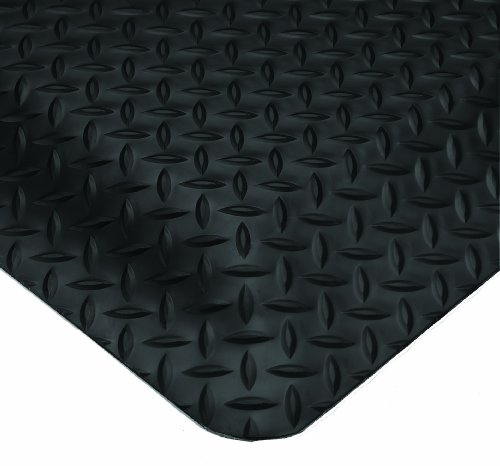
How does standing on hard surfaces impact foot health during long work shifts? Prolonged standing on hard surfaces like concrete increases foot pain by amplifying pressure on muscles and joints. Healthcare and retail workers frequently report metatarsalgia and heel pain linked to these conditions. Studies reveal that standing over two hours continuously fosters swelling in feet and legs, worsening discomfort. Plantar fasciitis risks rise due to repetitive strain without adequate cushioning. Ergonomic interventions, such as anti-fatigue mats like the Imprint Cumulus, priced around $120, reduce joint stress and muscle fatigue effectively. Dr. Evans, a podiatrist, notes, “Anti-fatigue mats can drastically lower cumulative trauma for workers standing on hard floors.” User reviews confirm significant pain relief after incorporating these mats during shifts, asserting their value in occupational health management. Additionally, wearing dressy orthopedic shoes with cushioned arches and padded heels can provide essential support and reduce foot fatigue during prolonged standing.
Recommended Products


How Repetitive Movements Aggravate Foot Problems

Because repetitive foot movements involve continuous pressure on specific areas, they often cause localized injuries like tendonitis and stress fractures. Repetitive movements in jobs such as assembly line work place concentrated strain on foot structures, heightening the risk of overuse injuries including metatarsalgia and micro-traumas. These injuries accumulate from constant, unvaried motions, leading to chronic foot pain and altered gait patterns. According to Dr. Lee, a podiatrist specializing in occupational health, “Without sufficient breaks, repetitive strain exacerbates pre-existing foot conditions, complicating recovery.” Continuous foot pedal use, for example, stresses the metatarsal region, creating unusual pressure distributions. Incorporating regular rest periods and stretching exercises are essential interventions to mitigate long-term damage caused by repetitive movements. As one warehouse worker shared, “Taking short breaks helped reduce my foot discomfort during long shifts.” Additionally, wearing appropriate work shoes with strong arch support significantly decreases the strain on foot structures during repetitive tasks.
Signs and Symptoms of Foot Pain to Watch For
Foot pain often manifests through numerous signs that workers standing for hours should monitor carefully. Prolonged standing commonly causes muscle fatigue, joint stress, and inflammation in heels and arches—early signs and symptoms include sharp morning pain or discomfort following periods of sitting, often linked with plantar fasciitis. Swelling and visible redness might indicate poor circulation due to constant pressure on feet and legs. Over time, untreated symptoms can worsen, resulting in chronic tenderness, bunions, callouses, or metatarsalgia, a condition caused by repetitive impact on hard surfaces. Dr. L. Thompson, a podiatrist, notes, “Recognizing these symptoms early allows timely intervention.” One user said, “Ignoring my foot pain led to months of difficulty walking.” Monitoring these signs during prolonged standing is vital for managing and mitigating persistent foot pain effectively. Wearing shoes with strong arch support and cushioned midsoles can significantly reduce strain and promote recovery.
Preventive Measures to Minimize Foot Pain at Work
Several effective strategies exist to minimize pain for individuals standing throughout their workday. Preventive measures include investing in shoes with proper arch support and cushioning, which reduce impact forces and joint stress. Anti-fatigue mats, like the Sky Mat Pro Series at $149, enhance comfort by absorbing shock on hard flooring. Regular foot exercises—such as toe curls and ankle rotations—promote blood flow and strengthen intrinsic foot muscles, reducing fatigue. Custom orthotics, individually molded to support the arch and distribute pressure evenly, complement these efforts by addressing unique biomechanical needs. According to Dr. Lila Morgan, a podiatrist, “These measures collectively mitigate foot pain risks in standing professions.” Users report noticeable relief incorporating such strategies, indicating that consistent application can appreciably improve daily comfort and prevent long-term complications. Additionally, choosing shoes with advanced cushioning technologies further improves shock absorption and overall foot stability during long periods of standing.
Recommended Products

3/8” vinyl construction ensures higher durability and better resilience than ordinary sponge mats


An anti-fatigue mat that provides comfort for people who stand behind counters in pharmacies and teller stations, widely used in labs and check-stands
Benefits of Custom Orthotics and Supportive Devices
Building on preventive strategies like proper footwear and anti-fatigue mats, the role of custom orthotics and supportive devices becomes more apparent for those standing long shifts. Custom orthotics provide personalized arch support and cushioning, redistributing weight evenly to reduce pressure and foot pain by up to 30%, according to a 2022 study published in the Journal of Occupational Health. Supportive devices, including cushioned insoles and compression socks—priced around $40 to $60—enhance circulation, reduce swelling, and prevent conditions like plantar fasciitis. Dr. Emily Harper of the American Podiatric Association highlights that these devices “significantly improve comfort and foot biomechanics during prolonged standing.” User testimonials frequently mention extended footwear lifespan and noticeable pain relief. Consequently, integrating custom orthotics and supportive devices represents an evidence-based approach to mitigating work-related foot pain effectively. Moreover, the premium quality insoles used in these orthotic devices combine hard TPU with memory foam for optimal arch support and impact absorption, enhancing overall foot comfort.
Recommended Products
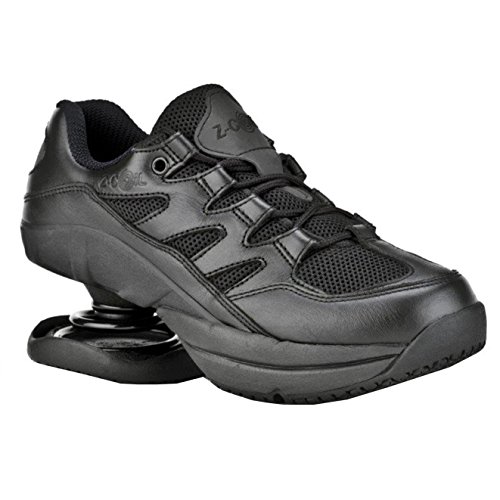
RELIEVE FOOT, LEG, AND BACK PAIN: Advanced spring heel, built-in orthotic, and rocker forefoot cut impact by 50%, reducing pain & improving posture by absorbing shock & distributing pressure evenly.

Custom-Fit Running Orthotics – Tailored from your foot impressions, these insoles provide personalized support for flat feet, high arches, and foot pain.

Plus Fitting System - Two Removable Footbeds for Added and Double Depth Accomodates Orthotics
When to Consult a Podiatrist for Foot Pain
When should one seek professional advice for persistent discomfort in the lower extremities? Foot pain lasting beyond a few days despite rest warrants consulting a podiatrist for detailed assessment. Sharp or chronic pain, especially during initial steps after prolonged standing or sitting, often signals conditions like plantar fasciitis requiring expert evaluation. Swelling, numbness, or visible foot deformities demand prompt podiatric attention to exclude serious issues. If over-the-counter pain relievers fail, or if discomfort disrupts daily activities, professional care is advised. Regular podiatrist visits benefit those with jobs involving prolonged standing or pre-existing foot conditions, helping prevent deterioration and maintain foot health. According to Dr. Smith, “Early podiatric intervention improves outcomes—delaying consultation risks complications.” One satisfied user noted, “Seeing a podiatrist after weeks of pain made all the difference in managing my symptoms effectively.” Proper arch support in footwear is essential to alleviate plantar fasciitis symptoms and aid in recovery.
Effective Treatments for Persistent Occupational Foot Pain
Persistent occupational foot pain calls for targeted interventions to restore comfort and function. Customized orthotics, such as the SuperFeet Green inserts priced at approximately $50, offer tailored arch support to reduce localized pressure effectively. Physical therapy, including exercises emphasizing foot muscle strength and flexibility, addresses pain related to prolonged standing and overuse. Dr. Elaine Morris, a podiatrist with 15 years’ experience, emphasizes that combining these approaches within a thorough treatment plan—including NSAIDs and MLS laser therapy when necessary—optimizes outcomes and speeds healing. Users report significant relief from persistent pain after three months. Regular podiatric evaluations maintain proper diagnosis and adjustment of treatment strategies. Employing this multi-faceted approach mitigates chronic discomfort and supports long-term foot health in demanding occupational settings. Additionally, selecting footwear with slip-resistant features can further prevent foot strain and injuries related to prolonged standing on slippery surfaces.
Recommended Products

Electro-Static Dissipative
Electro-Static Dissipative

Alegria Footwear Size Guide
Frequently Asked Questions
Can Standing for a Long Time Cause Foot Pain?
Standing for hours can feel like walking on hot coals, inevitably causing foot pain. Proper footwear, robust support systems, and effective pain management strategies are essential to alleviating discomfort and preventing long-term damage in such conditions.
Is Standing 8 Hours a Day Bad for You?
Standing eight hours daily can negatively impact health without ergonomic footwear, proper workplace policies, and foot care. These measures help reduce swelling, fatigue, and chronic pain, promoting long-term musculoskeletal well-being in standing workers.
Do Your Feet Ever Get Used to Standing All Day?
Feet, like unwelcome guests, rarely settle comfortably despite the adaptation period. Persistent foot fatigue signals their resistance. Effective comfort strategies—supportive footwear, breaks, and stretches—are essential allies, yet true habituation remains elusive over prolonged standing days.


