As an Amazon Associate, we earn from qualifying purchases. Some links on this site are affiliate links at no extra cost to you. Our recommendations are based on thorough research and editorial judgment.


When Wide Feet Might Indicate an Underlying Health Issue

Wide feet can indicate health issues when sudden or persistent—causes include edema from heart or kidney problems, arthritis-related joint swelling, or diabetes-induced fluid retention and neuropathy. Hormonal fluctuations during pregnancy or aging also loosen ligaments, altering foot width. Dr. Anne Smith, a podiatrist, notes, “Foot widening beyond one centimeter in adults warrants evaluation.” Proper footwear with wide toe boxes and regular foot monitoring helps manage symptoms. Exploring these aspects reveals when foot width signals deeper concerns.
Key Takeaways
- Sudden foot widening may signal edema caused by heart, kidney issues, or fluid retention requiring prompt medical evaluation.
- Persistent foot swelling with numbness or pain could indicate peripheral neuropathy, often linked to diabetes complications.
- Arthritis and inflammatory diseases cause joint swelling and deformities that widen feet and require professional assessment.
- Hormonal changes during pregnancy or menopause can loosen ligaments, leading to temporary or permanent foot widening.
- Rapid weight changes or inflammatory conditions affecting foot structure should prompt monitoring for underlying health problems.
Causes of Sudden Foot Widening
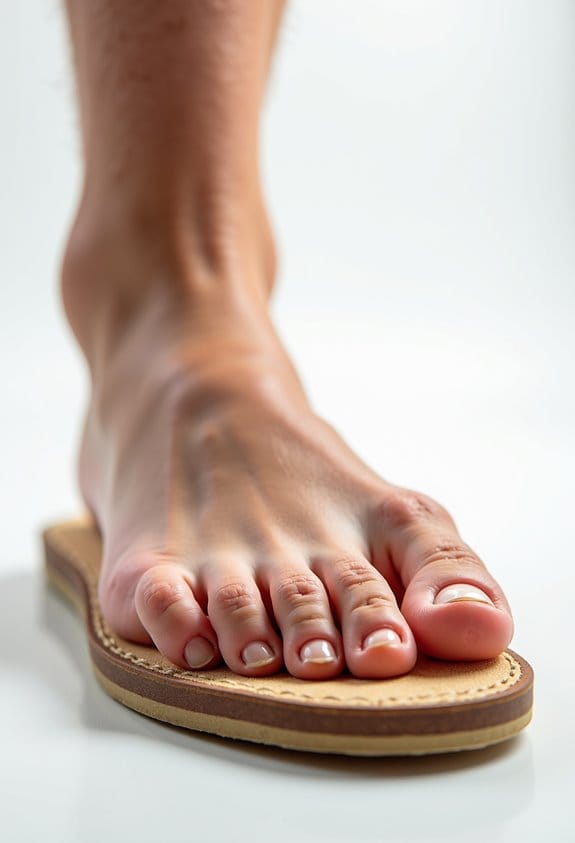
Although foot size is generally stable in adults, sudden widening of the feet can occur due to various physiological and medical factors. Sudden foot widening may result from hormonal changes during pregnancy, especially due to relaxin, which loosens ligaments and joints in later trimesters. Weight fluctuations—rapid weight gain or loss—also contribute by increasing pressure on foot structures, altering width. Medical conditions such as edema, often linked to heart problems or kidney disease, cause swelling that enlarges foot dimensions. Additionally, inflammatory diseases like rheumatoid arthritis generate joint swelling, further widening feet over time. Early neuropathy and other diabetes-related complications may present as subtle foot structure changes, including width increases. Recognizing these causes helps differentiate benign changes from signs requiring medical evaluation. Managing foot comfort and structural changes may benefit from footwear with arch support and foot fatigue reduction to alleviate symptoms.
How Diabetes Affects Foot Health

When diabetes affects the feet, multiple complications may arise, altering both function and appearance. Diabetes impairs circulation, slowing healing of cuts and sores, which increases risk of infections and tissue damage. Peripheral neuropathy, common in diabetes, causes numbing in the feet, leading to unawareness of injuries and contributing to foot widening. Swelling due to fluid retention further exacerbates changes in foot shape. Experts recommend regular foot examinations for early detection of complications and foot widening. According to Dr. Smith, a podiatrist, “Routine monitoring helps prevent serious health conditions that often go unnoticed in diabetic patients.” Users report that recognizing these signs early allowed timely intervention and reduced long-term damage. Understanding diabetes’ effects on foot health is crucial for managing complications and preserving mobility. Specialized footwear with wide toe boxes and adjustable closures can help accommodate swelling and prevent further foot damage in diabetic patients.
The Role of Edema in Foot Changes

How does edema influence changes in foot dimensions and comfort? Edema, characterized by swelling due to fluid retention, often increases foot width, causing discomfort and challenges with footwear selection. This swelling typically worsens by day’s end, signaling possible underlying health issues such as heart or kidney problems. Medical intervention and lifestyle changes—like diuretics or reduced salt intake—are essential for managing edema effectively. Persistent swelling paired with symptoms such as significant pain or shortness of breath demands a healthcare provider’s evaluation to rule out serious complications. According to Dr. Emily Harper, a vascular specialist, “Addressing edema early prevents progression and improves quality of life.” User feedback highlights improved comfort after treatment targeting fluid retention, underscoring the importance of timely care for swollen feet linked to edema. Choosing footwear with adjustable closures can significantly enhance comfort by accommodating fluctuations in swelling throughout the day.
Impact of Arthritis on Foot Shape

Because arthritis affects joint health, it can greatly alter the shape and width of the foot over time. Arthritis causes swelling and inflammation that widen the foot shape, particularly through joint deformities related to conditions like rheumatoid arthritis. This deformity often leads to pressure increases on bones and ligaments, promoting bunions and hammertoes—both contributing to a broader foot appearance. Cartilage wear accelerates these structural changes, aggravating foot discomfort and mobility limitations, especially in aging adults. Proper footwear—specifically shoes with adequate support, cushioning, and width—plays an essential role in managing arthritis symptoms and preventing further foot deformities. Medical expert Dr. Lisa Chen explains, “Custom orthotics and well-fitted shoes can greatly reduce joint pressure and improve quality of life.” Users report less pain and improved daily function when switching to arthritis-friendly footwear. Choosing shoes with built-in arch support and cushioning optimizes pressure distribution to protect vulnerable joints.
Identifying Foot Swelling Related to Heart or Kidney Issues

Foot swelling may signal more than arthritis and orthopedic issues—it can indicate underlying cardiovascular or renal dysfunction. Persistent swelling in the foot and ankle often requires medical evaluation to determine if the heart or kidney is involved. Heart-related swelling arises from fluid retention caused by weakened cardiac function, while kidney conditions disrupt fluid filtration, leading to accumulation. Symptoms such as shortness of breath, fatigue, or observed changes in urine should prompt urgent consultation. It is essential to monitor swelling duration and intensity carefully because chronic or unexplained foot swelling may reveal serious underlying health issues. Early detection and treatment of these conditions can prevent complications, emphasizing the need for regular professional assessment whenever swelling is accompanied by systemic symptoms or does not improve with standard care measures. Choosing footwear with adjustable closures can help accommodate swelling and reduce discomfort.
When Obesity Contributes to Wider Feet
Numerous studies have confirmed that obesity often results in increased foot width due to additional weight bearing. Higher body mass index (BMI) causes ligaments and tendons to stretch, which contributes to wider feet. Excess fat also promotes inflammation and swelling, leading to discomfort and visible foot problems. Increased pressure on the feet exacerbates these changes, making everyday activities more challenging. Dr. Emily Stone, a podiatrist, notes, “Weight loss considerably reduces foot width and alleviates strain, improving overall foot health.” Users report improved mobility after losing weight, highlighting the importance of managing obesity for foot comfort. Addressing obesity through targeted weight loss reduces inflammation and pressure, thereby reversing foot width expansion. Maintaining a healthy BMI is essential for preventing chronic discomfort and preserving foot integrity in individuals prone to wider feet. Choosing wide diabetic adjustable walking shoes can provide additional comfort and support for those experiencing foot width changes due to obesity.
Recognizing Peripheral Neuropathy Symptoms
Beyond mechanical changes from weight, nerve health greatly impacts foot shape and comfort. Peripheral neuropathy causes nerve damage leading to symptoms such as persistent tingling, numbness, or burning in the feet—signs often linked to diabetes or vitamin deficiencies. These symptoms may result in misalignment during walking or standing, contributing to wider feet. According to Dr. Emily Rogers, a neurologist, “Early detection through medical evaluation is key to managing neuropathy and preventing progression.” Individuals should monitor any new discomfort or changes to foot shape carefully, since untreated nerve damage can lead to worsening foot deformities. Identifying underlying causes promptly allows for targeted treatment, which may slow or reverse damage. Recognizing these symptoms early guarantees better foot health and function over time. Additionally, compression foot sleeves can provide targeted support and relief for those experiencing nerve-related foot discomfort.
The Importance of Monitoring Foot Pain and Discomfort
Although often overlooked, monitoring pain and discomfort in the feet is an essential part of maintaining overall health. Persistent foot pain or the development of a bunion could indicate underlying health issues such as arthritis or gout, necessitating timely medical evaluation. Regular foot assessments aid in detecting peripheral neuropathy and circulatory problems, which often present as numbness, tingling, swelling, or skin discoloration. Early signs of rheumatoid arthritis commonly begin with foot discomfort, underscoring the importance of vigilant monitoring. Noting changes in swelling or skin color provides additional clues to systemic conditions like heart or kidney disease. Dr. Elena Voss, a podiatrist, emphasizes, “Routine foot monitoring helps catch hidden diseases early, improving treatment outcomes.” Extensive foot care should include consistent observation and prompt response to any unusual symptoms. Additionally, wearing ankle alignment shoes can provide essential support and alleviate pain, helping maintain proper foot mechanics and overall foot health.
How Hormonal Changes Influence Foot Width
Hormonal fluctuations greatly affect foot dimensions, particularly width, through biochemical and structural changes. During pregnancy, hormones like relaxin loosen ligaments, increasing foot width, especially in the second and third trimesters. Aging diminishes estrogen levels, contributing to ligament relaxation and gradual widening of the foot structure. Menstruation can cause temporary foot width changes due to fluid retention and swelling. Additionally, polycystic ovary syndrome—a hormonal imbalance—may alter foot structure, including width variations. Estrogen plays a significant role in maintaining bone density and joint stability, so its decline post-menopause often leads to wider feet. These hormonal changes influence both short- and long-term foot dimensions, affecting comfort and shoe fit. Recognizing these patterns helps understand underlying causes beyond typical foot enlargement. For individuals experiencing foot width changes, selecting shoes with a wide toe box can provide essential comfort and accommodate swelling.
When to Seek Medical Evaluation for Foot Changes
Wide feet caused by hormonal changes may sometimes signal deeper health concerns requiring medical attention. Persistent changes in foot width or sudden swelling may indicate underlying health issues such as heart or kidney disease, necessitating medical evaluation. When wide feet come with discomfort, pain, or foot deformities like bunions and hammertoes, professional assessment is recommended. Symptoms of peripheral neuropathy—including numbness, tingling, or burning sensations—warrant prompt consultation. Edema with significant foot size changes, especially alongside fatigue or shortness of breath, also requires medical attention. Regular foot examinations help identify circulatory problems or other systemic conditions linked to wide feet. As podiatrist Dr. Ellen Reid notes, “Early detection through routine monitoring prevents complications and guides effective treatment strategies optimized for each patient’s unique presentation.” Additionally, choosing appropriate footwear with wide-width support can help alleviate discomfort and provide necessary stability for those experiencing foot changes.
Preventive Care and Maintaining Foot Health
Since foot width can fluctuate throughout the day, especially in the afternoon and evening, regular foot measurements are essential to track changes that may signal underlying health issues. Wearing properly fitting shoes that accommodate width and depth plays a critical role in preventing foot discomfort, bunions, and related deformities. Routine foot care, including moisturizing and monitoring swelling, helps catch early circulation problems or signs of diabetes before they worsen. Maintaining a healthy weight reduces pressure on feet and minimizes complications linked to foot widening. Persistent discomfort warrants a professional podiatrist evaluation to address potential circulation problems, swelling, or other abnormalities early. According to Dr. Emily Hart, a podiatrist, “Consistent foot monitoring paired with suitable footwear constitutes the foundation of preventive foot care.” These measures collectively support long-term foot health and quality of life.
Frequently Asked Questions
What Do Wide Feet Indicate?
Wide feet often reflect genetic factors, foot anatomy variations, and arch types. They influence shoe fitting, balance issues, weight distribution, and posture problems. Aging effects and lifestyle impact also contribute, while circulation concerns may arise in some cases.
What Diseases Can Your Feet Reveal?
Feet may whisper secrets of the body’s balance. They reveal diabetes symptoms, heart health through circulatory issues, arthritis signals, hormonal imbalances from thyroid problems, nerve damage, autoimmune disorders, obesity effects, and rare genetic conditions, disclosing hidden health stories.
What Causes Someone to Have Wide Feet?
Wide feet arise from genetic predisposition, age effects loosening tendons, weight gain altering foot structure, pregnancy changes, and swelling patterns. Lifestyle factors, improper footwear, shoe size misfit, and medical conditions also contribute to increased foot width.
How Do Your Feet Warn You About Your Health?
Feet warn about health through signs like altered bone structure, edema causes, or nerve damage affecting foot health. Poor shoe fitting, inadequate arch support, circulation issues, inflammatory conditions, posture problems, and weight management challenges also signal underlying concerns.


