As an Amazon Associate, we earn from qualifying purchases. Some links on this site are affiliate links at no extra cost to you. Our recommendations are based on thorough research and editorial judgment.


How Weight Distribution in the Foot Affects the Plantar Fascia

Weight distribution in the foot significantly affects the plantar fascia by modulating strain and pressure patterns. Ideally, about 60% of body weight is borne by the rearfoot and 40% by the forefoot, maintaining balanced load and reducing tissue tension. Deviations, especially in overweight individuals, elevate plantar pressures and disrupt gait, increasing inflammation risk and structural changes. Custom orthotics and targeted exercises help restore proper distribution, improving comfort and preventing injury. Exploring these dynamics further reveals key treatment and prevention strategies.
Key Takeaways
- Proper weight distribution (60% rearfoot, 40% forefoot) supports plantar fascia health by evenly spreading pressure and reducing localized strain.
- Excess body weight increases plantar pressure and tension on the plantar fascia, raising the risk of inflammation and injury.
- Rearfoot-dominant weight-bearing posture correlates with higher plantar fascia strain and greater risk of plantar fasciitis.
- Abnormal weight distribution alters gait mechanics, leading to structural changes and biomechanical stress on the plantar fascia.
- Supportive footwear and orthotics help redistribute weight effectively, reducing plantar fascia strain and improving comfort and rehabilitation.
The Role of the Plantar Fascia in Foot Biomechanics
Although often overlooked, the plantar fascia is a key structural component of the foot. This thick connective tissue spans the plantar surface, supporting the arch and absorbing pressure during weight-bearing activities. It plays an essential role in facilitating energy transfer during walking and running, maintaining stability, and promoting balanced weight distribution. Dr. Lisa Kim, a podiatrist, explains, “Proper plantar fascia function reduces localized pressure, preventing unnecessary strain.” Biomechanical models, such as the Oxford Foot Model, demonstrate how altered foot posture affects plantar fascia strain and pressure distribution. Ideal weight distribution transfers loads evenly from the rearfoot to the forefoot, minimizing excessive plantar pressure that can lead to injury. As a user testimonial states, “Adjusting my stance improved comfort by redistributing foot pressure and reducing fascia stress.” Incorporating footwear with optimal arch support can significantly enhance plantar fascia health by evenly distributing load and reducing strain.
Effects of Body Weight on Foot Pressure Distribution

How does body weight influence foot pressure distribution during daily activities? Weight distribution in the foot typically allocates about 60% to the rearfoot and 40% to the forefoot, directly shaping plantar pressure patterns. Increased body weight elevates peak plantar pressures, especially beneath the heel and forefoot, which can strain the foot’s structure. Obese individuals exhibit markedly higher plantar pressures in the lateral forefoot and midfoot, altering normal pressure distribution and gait. These pressure shifts consequently increase mechanical load on the plantar fascia, leading to discomfort and potential injuries. Accurate assessment of plantar pressure distribution in heavier populations assists clinicians in identifying abnormal biomechanical patterns and tailoring rehabilitation strategies. Foot scientists agree, “Understanding these pressure dynamics is vital for effective intervention and preventing further structural compromise.” Proper footwear with strong arch support can help distribute body weight more evenly and reduce strain on the plantar fascia.
Recommended Products


Relationship Between Weight Distribution and Plantar Fasciitis Risk

Weight distribution across the foot has a direct impact on plantar fascia health and injury risk. Improper plantar pressure distribution, especially favoring the rearfoot over the forefoot, increases strain on the plantar fascia, elevating plantar fasciitis risk. Studies show adolescents—particularly female athletes aged 10-19—with rearfoot-dominant foot posture experience higher injury rates due to altered force patterns. Elevated body mass index (BMI) further worsens this imbalance, as increased plantar pressure under the heel and midfoot regions exacerbates inflammation and pain. Effective rehabilitation targeting forefoot support and balanced weight transfer reduces strain and improves outcomes. Dr. Elena Martens, a podiatrist, notes, “Optimizing plantar pressure distribution is essential for reducing plantar fasciitis risk, especially in high-BMI patients.” Adjusting foot posture and promoting forefoot engagement can be vital preventative measures to maintain plantar fascia integrity. Choosing footwear with strong arch support and cushioned midsoles can significantly aid in achieving better weight distribution and reducing plantar fascia stress.
Impact of Excess Body Weight on Foot Structure and Function

When extra body mass accumulates, it directly affects foot structure and function by increasing plantar pressures and altering gait dynamics. Excess body weight elevates foot plantar pressure, particularly under the heel and midfoot, leading to abnormal weight-bearing ratios during movement. This increase intensifies plantar fascia tension, raising the risk of inflammation and structural changes in the arch. Research from the American Podiatric Medical Association notes that even a 10% weight increase correlates with significant shifts in foot biomechanics, contributing to conditions like flat feet and plantar heel pain. Overweight individuals often experience altered balance and discomfort, affecting mobility. Expert podiatrist Dr. Maria Jensen emphasizes that managing body weight alongside targeted exercises helps mitigate these pressures, preserving foot function and reducing the likelihood of injury. Choosing recovery shoes with built-in arch support can further alleviate stress on the plantar fascia by promoting proper weight distribution and reducing foot fatigue.
Recommended Products

sku=36768103-6

The ASICS Novablast 5 is a shoe designed for medium-weight runners. Both the technologies and materials with which they have been designed guarantee excellent cushioning and safety, without neglecting stability.

The cushioning provides light shock absorption and a responsive rebound.
Mechanisms of Plantar Fascia Stress and Injury

Altered patterns of plantar pressure play a significant role in generating stress on the plantar fascia. Weight affects the distribution of forces, shifting load from the heel to the forefoot, thereby increasing plantar fascia strain. Research indicates a 60.3% rise in strain occurs when heel height increases from 5 cm to 7 cm, intensifying heel pain and contributing to musculoskeletal pathology. Excessive forefoot pressure—often present in overweight individuals or those wearing high heels—promotes microtears and inflammation, undermining fascia integrity. According to Dr. L. Sanders, a podiatric specialist, “Understanding pressure shifts is vital in diagnosing and mitigating plantar fasciitis.” Consequently, biomechanical imbalances induced by altered weight distribution precipitate a cascade of tissue stress events that culminate in plantar fascia injury, reinforcing the need for appropriate foot support during daily activities. Using shoes with arch support technology can help redistribute pressure more evenly and reduce plantar fascia stress.
Signs and Symptoms of Plantar Fascia Strain
Pain serves as a primary indicator of plantar fascia strain, typically presenting as sharp, stabbing sensations near the heel. This pain often intensifies with the first steps in the morning or following prolonged sitting. Increased body weight elevates pressure on the plantar fascia, exacerbating discomfort and swelling in the heel region. Tenderness along the foot’s arch and pain upon pressure application further characterize the condition. During physical activity or extended standing, symptoms frequently worsen, signaling overstretching or inflammation. Effective treatment of Plantar Fasciitis rests on recognizing these signs early to prevent chronic issues. According to Dr. Elaine Moore, a podiatrist, “Timely intervention tailored to individual weight distribution can greatly improve outcomes.” User reports frequently emphasize relief after adjusting footwear or implementing targeted therapies, underscoring the importance of proper assessment and care. Choosing shoes with arch support and cushioning can significantly reduce strain and promote recovery.
Methods for Assessing Plantar Pressure and Balance
Several advanced tools exist to assess plantar pressure and balance, with plantar pressure platforms being central to these evaluations. These platforms measure variables such as the center of pressure (CoP) trajectory, maximum pressure on various foot regions, and weight distribution between the forefoot and rearfoot. Dynamic assessments, including walking tests, reveal variations in plantar pressure patterns linked to body weight differences. Weightbearing ratio calculations further clarify imbalances impacting foot mechanics. Additionally, sway length measurements reflect balance stability and correlate with plantar pressure data, offering extensive insights. For example, the Tekscan MatScan system—priced around $15,000—provides high-resolution CoP mapping, while clinicians report its detailed analysis aids in identifying pressure imbalances contributing to plantar fascia strain, facilitating targeted interventions based on precise plantar pressure and weight distribution metrics. Incorporating advanced arch support technology in footwear is essential to help redistribute plantar pressures and alleviate strain on the plantar fascia.
Recommended Products

🧘🏽 ZEN OUT IN MINUTES: Drift into deep relaxation in as little as 10 minutes a day. Lay back on the Balance Mate mat to naturally melt away back pain, tension headaches, and stiffness – tapping into ancient acupressure healing for fast relief

REAL BACK & SCIATICA RELIEF WITH FIRM SPIKES FOR STRONG RESULTS: Thousands of firm pressure points activate deep trigger points along your back, neck, and lumbar area-suitable for lower-back pain, sciatica, muscle stiffness, and long hours of sitting

LUXURIOUS QUALITY – Made of 100% natural linen & coconut fiber filling, the acupressure mat has 6,534 acupressure points; neck pillow is filled with soft PP Cotton and has 1,377 acupressure points.
Strategies to Optimize Weight Distribution in the Foot
Optimizing weight distribution in the foot plays a significant role in improving balance and reducing plantar fascia strain. Research indicates adolescents typically bear 60% weight on the rearfoot and 40% on the forefoot, which influences plantar pressure patterns and postural stability. Strategies to optimize weight distribution involve enhancing forefoot weight transfer through targeted balance training exercises, thereby mitigating plantar fascia strain, especially in individuals with flat feet. Regular assessment of plantar pressure using pressure-sensing insoles or platforms—costing between $200 and $1,500—can guide customization. Dr. Elena Martin, a podiatrist, notes, “Refining weight distribution reduces injury risk by alleviating excess pressure on the fascia.” Users report improvements in stability and discomfort after interventions focusing on balanced forefoot-rearfoot loading, underscoring the practical benefits of these strategies. Additionally, choosing footwear with strong arch support is essential to maintain optimal weight distribution and reduce plantar fasciitis pain.
Recommended Products

Lace-up closure for easy on-and-off wear.
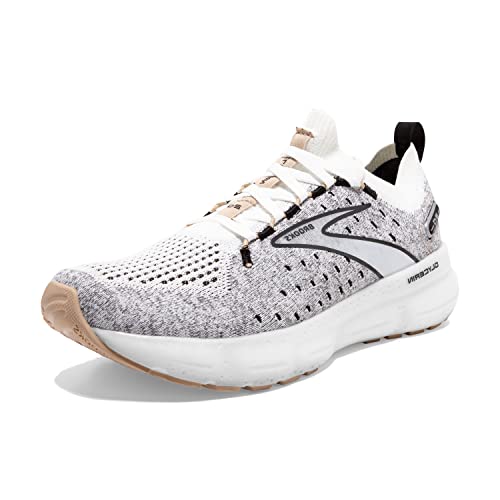
THIS WOMEN’S SHOE IS FOR: The Glycerin StealthFit 20 is for runners who want a close-to-foot fit and extreme softness in every step — so they can get lost in the comfortable ride and run distraction-free.
12 mm drop: due to variances created during the development and manufacturing processes, all references to 12 mm drop are approximate
Treatment Approaches for Weight-Related Plantar Fascia Disorders
When plantar fascia disorders relate to excess weight, treatment protocols primarily emphasize conservative methods before considering invasive options. Custom orthotics—designed to support the arch and improve weight distribution—play a key role in relieving pressure on the plantar fascia, especially for patients with elevated BMI. Physical therapy strengthens foot muscles, aiding proper weight-bearing mechanics and reducing strain. Night splints can stretch the plantar fascia and Achilles tendon, decreasing morning discomfort and promoting healing. Weight loss interventions considerably lessen plantar fascia stress by reducing overall load during movement. In severe cases, corticosteroid injections provide targeted relief from inflammation and pain, complementing mechanical adjustments. Dr. Susan Lee, podiatrist, notes, “Integrating custom orthotics with therapy optimizes outcomes by addressing both structure and function of the foot.” Users report notable pain reduction within weeks using this combined approach. Additionally, selecting athletic shoes with shock absorption features enhances comfort and minimizes plantar fascia strain during daily activities.
Recommended Products

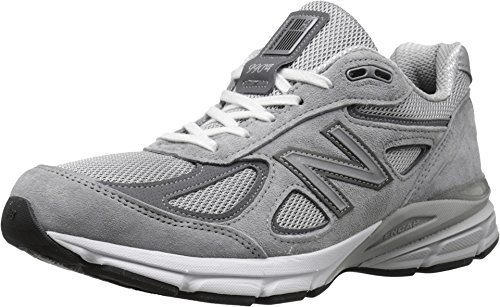
GORE-TEX Waterproof technology combines optimized breathability & protection against the elements

100% Suede Leather/Mesh

Material - Upper: Leather (nubuck)
Preventive Measures for Maintaining Plantar Fascia Health
Preventing plantar fascia disorders begins with managing how weight is distributed across the foot during daily activities. Ideal weight distribution—60% rearfoot and 40% forefoot—minimizes excessive plantar fascia pressure, reducing plantar fasciitis risk. Supportive footwear with adequate arch support, such as the ASICS Gel-Kayano 28, priced around $160, has been clinically shown to improve foot health by evenly redistributing weight. Regular balance training enhances forefoot weight transfer, improving postural stability and decreasing plantar stress. Monitoring body weight is essential; a modest BMI increase alters foot posture and intensifies plantar fascia strain. Strengthening and stretching exercises targeting foot and ankle muscles enhance tissue flexibility and resilience. Dr. Helen McCormick notes, “Consistent care of weight distribution fosters durable plantar fascia function and mitigates inflammation.” Consumer reports affirm improved comfort and reduced pain with these preventive strategies. Choosing shoes with advanced arch support and cushioning can further relieve foot pain and enhance alignment, promoting plantar fascia health.
Frequently Asked Questions
How Does Weight Affect Plantar Fasciitis?
Weight subtly amplifies foot pressure, particularly at heel strike, straining the plantar fascia. Insufficient arch support compounds this effect, contributing to discomfort and inflammation commonly identified as plantar fasciitis, often necessitating intervention for relief.
What Is the Weight Distribution of the Foot?
Weight distribution in foot anatomy typically places 60% of pressure on the rearfoot and 40% on the forefoot. Proper arch support is essential to balance pressure points, ensuring stability and reducing strain during movement or standing.
Will My Plantar Fasciitis Go Away if I Lose Weight?
Like a dimmer easing pain’s harsh light, weight loss benefits can greatly reduce plantar fasciitis symptoms. Combined with footwear choices and exercise modifications, it often accelerates recovery but may not guarantee complete disappearance of the condition.
What Muscle Imbalance Causes Plantar Fasciitis?
Muscle imbalances between the gastrocnemius and soleus muscles alter foot biomechanics, reducing muscle strength and increasing plantar fascia strain. Correcting these imbalances is essential for injury prevention and maintaining proper foot function during movement.


