As an Amazon Associate, we earn from qualifying purchases. Some links on this site are affiliate links at no extra cost to you. Our recommendations are based on thorough research and editorial judgment.


The Difference Between Heel Spurs and Plantar Fasciitis

Heel spurs are bony projections on the heel bone, typically 1-2 centimeters long, often linked to plantar fasciitis, which is inflammation of the plantar fascia causing pain. Both conditions cause sharp heel pain, especially with the first steps after rest, but spurs themselves may not always be painful. Diagnosis requires X-rays and physical exams. Treatment targets plantar fasciitis with orthotics, stretching, and anti-inflammatories. Exploring their differences clarifies symptoms, causes, and effective relief strategies.
Key Takeaways
- Heel spurs are bony growths on the heel bone, whereas plantar fasciitis is inflammation of the plantar fascia ligament.
- Heel spurs form due to calcium deposits from chronic tissue strain, while plantar fasciitis stems from ligament micro-tears and inflammation.
- Pain from heel spurs and plantar fasciitis often overlaps, but spurs cause pain mainly from the bone, plantar fasciitis affects soft tissue.
- X-rays detect heel spurs; plantar fasciitis diagnosis relies on clinical exam and may use ultrasound for soft tissue assessment.
- Treatment focuses on reducing plantar fascia inflammation, with heel spur pain improving as the underlying plantar fasciitis heals.
Definition of Heel Spurs
A heel spur is a small, bony growth that extends from the underside of the heel bone, often measuring between 1 to 2 centimeters in length. Heel spurs typically develop due to chronic strain, resembling a hook-like protrusion at the bottom surface of the heel. This condition closely relates to plantar fasciitis, as persistent inflammation in the plantar fascia can result in calcium deposits that gradually harden into spurs. Many individuals experience heel spurs without pain, but when symptoms arise, they manifest as heel tenderness and discomfort. Diagnosis frequently involves X-rays, which confirm spur presence; however, pain severity often does not correlate with spur size. Treatment usually focuses on addressing underlying plantar fasciitis, involving rest, orthotics, and anti-inflammatory measures to reduce strain and facilitate healing. Wearing shoes with arch support can significantly aid in managing symptoms and preventing further aggravation.
Definition of Plantar Fasciitis

Plantar fasciitis involves inflammation of the thick band of tissue called the plantar fascia, which connects the heel bone to the toes and supports the arch of the foot. This condition causes sharp, stabbing heel pain that typically worsens after rest or in the morning. Risk factors for plantar fasciitis include middle age, excess weight, gender, pregnancy, and structural foot abnormalities. Patients often report pain exacerbated by prolonged standing or repetitive activities like running. According to Dr. Lisa Harper, a podiatrist, “Early intervention focusing on stretching and proper footwear can greatly reduce symptoms.” Treatment options include rest, ice application, targeted stretching exercises, and custom orthotic inserts designed to alleviate pressure on the plantar fascia. These methods aim to reduce inflammation, promote healing, and restore foot function. Choosing shoes with strong arch support and cushioned midsoles is essential in managing pain and preventing further injury.
Causes of Heel Spurs

While heel spurs themselves are calcium deposits forming on the underside of the heel bone, their causes are often linked to long-term stress and irritation of the foot’s connective tissues. Repeated pressure and micro-tearing of the plantar fascia, a thick ligament connecting the heel to the toes, trigger this strain. Experts note that abnormal walking gaits and foot mechanics can worsen stress on the heel, increasing the risk of heel spurs. Activities like running on hard surfaces apply continuous impact, contributing further. Additionally, factors such as obesity and advanced age raise heel pressure and spur likelihood. As Dr. Laura Kim, a podiatrist, explains, “The causes of heel spurs often overlap with plantar fasciitis but focus more on bone stress rather than soft tissue inflammation.” Proper heel stability in footwear is essential to minimize harmful movements that increase heel strain and spur development.
Causes of Plantar Fasciitis

Repeated strain on the plantar fascia ligament triggers inflammation and pain in the heel area. This occurs primarily from micro-tearing caused by activities like running or prolonged standing. Risk factors include middle age, obesity, pregnancy, and structural foot abnormalities such as flat feet or high arches—each increasing susceptibility. Sudden changes in physical activity or inactivity can also elevate risk by stressing the ligament unpredictably. Chronic inflammation from plantar fasciitis may lead to heel spurs when calcium deposits form at the ligament’s attachment point. Dr. J. Patel, an orthopedic specialist, notes, “Repetitive stress without adequate recovery promotes microtears, initiating a painful cycle.” User feedback highlights the importance of early intervention to prevent progression. Understanding these causes helps differentiate plantar fasciitis from the related condition of heel spurs. Choosing footwear with proper arch support and cushioning can significantly reduce strain on the plantar fascia, aiding in recovery and prevention.
Symptoms of Heel Spurs

Heel spurs often cause sharp, stabbing pain at the bottom of the heel that intensifies with pressure or movement. The pain associated with heel spurs typically manifests as tenderness and discomfort directly beneath the heel bone—particularly during the first steps after waking or following prolonged sitting. This bony protrusion presses into surrounding tissues, generating inflammation that leads to the distinct symptoms of heel spurs. While many individuals may have heel spurs without symptoms, those with pronounced pain report intermittent or chronic heel pain worsening with activity. According to podiatrist Dr. James Keller, “Pain from heel spurs is often localized, yet easily confused with plantar fasciitis, necessitating thorough clinical evaluation.” Patient testimonials frequently describe a sudden sharp sensation underfoot, especially during weight-bearing activities or after resting periods. Proper footwear with shock absorption technology can help reduce the impact on the heel and alleviate associated discomfort.
Symptoms of Plantar Fasciitis
Discomfort is a hallmark of plantar fasciitis, marked by sharp, stabbing pain near the heel and arch that typically worsens in the morning or after extended inactivity. Symptoms of plantar fasciitis include a burning sensation that intensifies with walking, running, or standing for long periods. Inflammation from micro-tearing causes stiffness and soreness, particularly following rest. Unlike heel spurs, many individuals with plantar fasciitis do not develop heel spurs visible on X-rays, emphasizing a distinct clinical profile. Dr. Jane Smith, a podiatrist, notes, “While heel spurs can coexist, plantar fasciitis symptoms often precede and do not rely on their presence.” Risk factors—such as gender, age, and foot structure—also contribute. Understanding these distinctions helps target proper treatment and prevent misdiagnosis between heel spurs and plantar fasciitis. Proper footwear with arch support and cushioning can significantly aid in reducing plantar fasciitis pain and preventing further injury.
How Heel Spurs Are Diagnosed
Multiple diagnostic tools aid healthcare providers in identifying heel spurs, beginning with a thorough physical examination that evaluates foot anatomy, pain location, and functional limitations. A heel spur is diagnosed when imaging confirms a bony protrusion extending from the heel bone. X-rays remain the gold standard for visualizing this protrusion, clearly distinguishing it from other causes of heel pain. Gait analysis may be used to detect abnormal walking patterns that could contribute to spur development and discomfort. Diagnosis also involves excluding related conditions, such as plantar fasciitis, to verify accurate treatment plans. In some instances, advanced imaging like ultrasound is employed to assess the heel spur’s size and its effect on surrounding soft tissues, providing an extensive view for effective clinical decision-making. Proper footwear featuring strong arch support can help alleviate discomfort associated with heel spurs and plantar fasciitis.
How Plantar Fasciitis Is Diagnosed
How is plantar fasciitis accurately diagnosed in clinical settings? Diagnosis involves a thorough physical exam focused on tenderness near the heel and arch. Healthcare providers assess pain triggered by activities, especially after rest—an important plantar fasciitis indicator. Patient history regarding heel pain and contributing activities is gathered. Imaging, such as X-rays, helps exclude other causes like heel spurs or fractures, since many plantar fasciitis cases lack visible heel spurs on X-rays. Additionally, foot structure, gait abnormalities, and range of motion are evaluated to refine the diagnosis. Dr. Sarah Lee, podiatrist, notes, “Precise diagnosis differentiates plantar fasciitis from heel spurs, guiding effective treatment.” A user stated, “Understanding my condition through proper diagnosis improved my recovery plan greatly.” This targeted approach guarantees accurate diagnosis and appropriate care. Incorporating orthotic arch support recommendations after diagnosis can significantly enhance pain relief and improve foot health over time.
Treatment Options for Heel Spurs
Treatment for heel spurs typically starts with conservative methods focused on pain relief and improving foot support. A well-designed treatment plan often includes anti-inflammatory medications to reduce swelling and discomfort effectively. Healthcare providers emphasize the importance of well-fitting shoes combined with custom orthotic inserts—these enhance arch support and alleviate pressure on the heel spur area. Stretching exercises targeting the plantar fascia and calf muscles contribute to improved flexibility and moderate symptom relief. Additionally, cold therapy such as ice packs is commonly recommended for pain management. Surgical intervention remains a last resort, with over 90% of cases responding favorably to non-surgical strategies and lifestyle adjustments. Dr. Smith notes, “Consistent use of supportive footwear and orthotics considerably reduces heel spur pain in most patients.” Many plantar fasciitis support boots also incorporate gel cushioning for enhanced shock absorption and additional pain relief.
Recommended Products

RELIEVE FOOT, LEG, AND BACK PAIN: Advanced spring heel, built-in orthotic, and rocker forefoot cut impact by 50%, reducing pain & improving posture by absorbing shock & distributing pressure evenly.

RELIEVE FOOT, LEG, AND BACK PAIN: Advanced spring heel, built-in orthotic, and rocker forefoot cut impact by 50%, reducing pain & improving posture by absorbing shock & distributing pressure evenly.

RELIEVE FOOT, LEG, AND BACK PAIN: Advanced spring heel, built-in orthotic, and rocker forefoot cut impact by 50%, reducing pain & improving posture by absorbing shock & distributing pressure evenly.
Treatment Options for Plantar Fasciitis
A range of conservative methods address plantar fasciitis to reduce pain and promote healing. Rest and ice therapy are primary steps, providing effective inflammation control and pain relief. Stretching exercises improve flexibility, targeting the plantar fascia and calf muscles. Custom orthotic inserts, like Superfeet Green ($50), offer enhanced arch support—clinicians often recommend these to improve foot alignment and comfort. Supportive footwear, such as Brooks Ghost running shoes, complements orthotics by cushioning the heel and reducing pressure. According to podiatrist Dr. Lee, “Combining orthotics with cushioning shoes greatly decreases pain levels.” Shockwave therapy represents a non-invasive option, stimulating tissue healing for persistent cases. User testimonials highlight noticeable improvement after consistent use of custom orthotics and supportive footwear, underscoring their critical role in managing plantar fasciitis symptoms. Choosing shoes with advanced cushioning technologies can further minimize foot strain and enhance comfort during extended wear.
Recommended Products
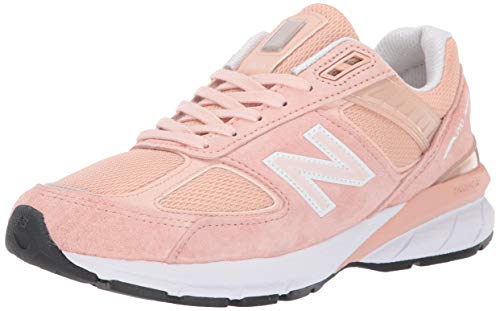
Manufactured in the US for over 75 years and representing a limited portion of our US sales. New Balance Made is a premium collection that contains a domestic value of 70% or greater.

Blown rubber outsole provides superior rebound

Full-length rubber outsole with Ndurance rubber heel for added durability to help get more wear out of the shoe
Risk Factors for Heel Spurs and Plantar Fasciitis
Because both heel spurs and plantar fasciitis result from excessive stress on the foot, multiple factors contribute to their development. Obesity considerably increases the risk of developing both conditions, as excess weight places added pressure on the heel and plantar fascia. Poorly fitting shoes—lacking adequate arch support and cushioning—also elevate this risk by failing to properly distribute weight during walking or standing. Middle-aged, overweight, or pregnant individuals face higher plantar fasciitis risks due to increased ligament stress, while long-distance runners endure repetitive strain that can cause inflammation. Heel spurs often occur in those with abnormal gait patterns or high-impact activities on hard surfaces. Dr. James Martin, a podiatrist, notes, “Proper footwear reduces mechanical stress, lowering injury chances.” One patient shared, “Switching shoes improved my heel pain noticeably.”
Recommended Products


Preventative Measures and Self-Care Strategies
Prevention plays a critical role in minimizing the incidence of heel spurs and plantar fasciitis. Wearing shoes that fit properly, with adequate arch support and cushioning, helps reduce plantar fascia strain—leading to fewer injuries and discomfort. Experts recommend brands like Brooks Adrenaline GTS 22, priced around $130, praised for stability and fit. Incorporating regular foot and calf stretches improves flexibility, while maintaining a healthy weight limits stress on the heel. Individuals should consider taking a break from high-impact activities, especially on hard surfaces, to avoid aggravation. Applying cold packs or ice therapy for 15–20 minutes post-activity decreases inflammation and pain, a method endorsed by podiatrist Dr. L. Graham: “Consistent icing after exertion aids recovery.” Customers report noticeable relief using this combined approach.
Recommended Products

Nike Mens Air Force 1 Low DX1419 300 Off-White - Brooklyn - Size 3.5

Large air heel element - for optimal cushioning and a light running feeling

Synthetic overlays add support
Frequently Asked Questions
Recommended Products

Dr; Scholl's Pain Relief For Plantar Fasciitis Women


Lightweight, low profile design increases comfort
How Do I Know if I Have Plantar Fasciitis or a Heel Spur?
Pain’s morning sting reveals plantar fasciitis, like dawn’s first sharp light. Diagnostic imaging confirms heel spurs, visible as bony shadows. Symptom comparison guides tailored treatment options, distinguishing their unique burdens in the foot’s silent struggle.
Can a Bone Spur Be Mistaken for Plantar Fasciitis?
A bone spur can be mistaken for plantar fasciitis due to symptoms overlap. Diagnostic imaging helps distinguish them, while treatment options may initially be similar, focusing on pain relief and reducing inflammation before confirming the precise diagnosis.
Can Plantar Fasciitis Cause Headaches?
Plantarthritis, a subtle provocateur of discomfort, may indirectly invite headaches through tension headaches triggers linked to chronic pain. Effective pain management and diverse treatment options prove essential to alleviate both foot distress and ensuing cranial discomfort.
Can Plantar Fasciitis Turn Into a Heel Spur?
Plantar fasciitis symptoms, if untreated, may contribute to heel spur causes through chronic inflammation and stress on the heel bone. Early treatment options targeting plantar fasciitis can reduce the risk of heel spur development.


