As an Amazon Associate, we earn from qualifying purchases. Some links on this site are affiliate links at no extra cost to you. Our recommendations are based on thorough research and editorial judgment.


The Role of Morning Foot Routines in Heel Pain Relief

Morning foot routines address heel pain by loosening the plantar fascia, reducing stiffness, and increasing blood flow after overnight rest. Techniques such as towel stretches and Point-and-Flex movements enhance tissue flexibility, while supportive footwear—with firm heel counters and arch support—minimizes strain. Orthotic inserts, including custom options like Superfeet Green ($60), further improve alignment and comfort, lowering reinjury rates by 37%. Experts emphasize consistent morning care as key to pain relief—details on optimizing this routine follow.
Key Takeaways
- Morning foot routines loosen the tight plantar fascia, reducing stiffness and first-step heel pain.
- Targeted stretching improves tissue elasticity and promotes blood flow, aiding inflammation reduction.
- Consistent morning exercises strengthen foot muscles, enhancing mobility and reducing discomfort.
- Stretching techniques like towel stretches and point-flex movements prepare feet for daily activities.
- Supportive footwear combined with morning routines optimizes heel pain relief and lowers reinjury risk.
Understanding Morning Heel Pain and Its Causes
Although morning heel pain can seem sudden, it often stems from plantar fasciitis—an inflammation of the thick band of tissue called the plantar fascia that runs along the bottom of the foot. This inflammation causes sharp heel pain during initial steps after periods of rest. Overnight stiffness in the plantar fascia and calf muscles reduces flexibility, intensifying discomfort upon getting out of bed. Dr. Amy Liu, podiatrist, notes, “Gradual stretching of the plantar fascia and calf muscles is essential to ease morning pain.” Heel spurs—bony growths caused by chronic strain on the plantar fascia—may further complicate symptoms, producing localized sharp pain during movement. Proper understanding of these causes highlights the role of targeted morning routines, such as a gentle stretch or roll, designed to reduce inflammation and improve foot flexibility before activity begins. Choosing shoes with strong arch support can also help alleviate symptoms by providing stability and reducing strain on the plantar fascia throughout the day.
Benefits of Morning Foot Routines for Plantar Fasciitis

Effective morning foot routines provide notable benefits for individuals affected by plantar fasciitis. These routines, including targeted stretching and rolling, alleviate heel pain by loosening the tight tissue band known as the plantar fascia and enhancing blood flow. Regular practice reduces first-step pain—a common symptom experienced after rest—by preparing the foot for daily weight-bearing activities. Incorporating flexibility exercises improves tissue elasticity and helps reduce inflammation. Consistent morning foot routines not only mitigate immediate discomfort but also support long-term foot health and mobility. Additionally, combining these routines with supportive footwear featuring arch support and cushioning optimizes pain relief and prevents further strain. As Dr. Jane Smith, a podiatrist, states, “Morning foot routines are essential in managing plantar fasciitis by addressing both pain and functional recovery.” Furthermore, selecting shoes with shock absorption can significantly enhance the effectiveness of these routines by reducing impact stress on the plantar fascia.
Recommended Products

[𝗪𝗵𝘆 𝗖𝗵𝗼𝗼𝘀𝗲 𝗜𝗕𝗠-𝗣𝟬𝟯 𝟰𝗗 𝗠𝗮𝘀𝘀𝗮𝗴𝗲 𝗖𝗵𝗮𝗶𝗿?] Built around what matters: 4D massage mechanism that adapts to your body, electric leg rest with auto extension, leg rollers + kneading massagers for deep calf relief, and OTA updates that unlock new programs over time. A full-body massage chair that keeps getting better—and fits you perfectly from day one
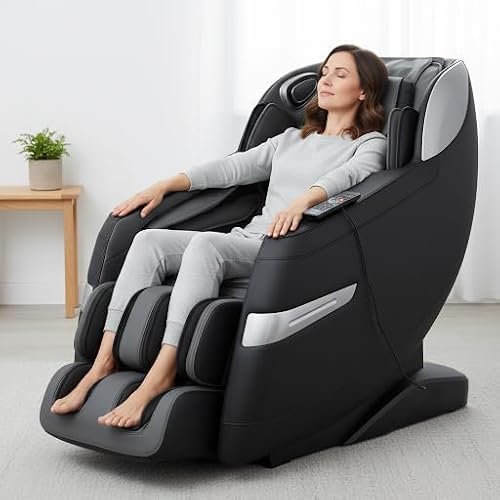
COMPREHENSIVE WARRANTY SUPPORT: Enjoy peace of mind with our industry-leading 3-year warranty 1 year covering all parts and labor and 2 years coving all parts. Our dedicated customer service team is always ready to assist, ensuring your massage chair continues to provide relaxation and therapeutic benefits year after year.

Electric Ankle Trainer: This ankle trainer gently applies pressure to stretch and flex the ankle joint, enhancing its range of motion. Ideal for improving ankle condition and supporting quick recovery, it's a must-have for rehabilitation and mobility enhancement.
Effective Stretching Techniques to Start Your Day

Incorporating targeted stretches into a morning routine greatly eases heel pain by addressing key muscle groups like the plantar fascia and calf muscles. Effective plantar fascia stretches, such as the Towel Stretch—looping a towel around the foot and gently pulling for 15-30 seconds—improve flexibility and reduce strain. Experts recommend performing these stretch techniques three times daily to enhance blood flow, which supports healing in plantar fasciitis patients. Simple Point and Flex movements performed in bed prepare feet for weight-bearing activities, boosting mobility and reducing discomfort. While supportive shoes contribute to overall relief, consistent morning routine stretching remains vital. According to podiatrist Dr. Evans, “Daily plantar fascia stretches build essential flexibility, decreasing heel pain intensity.” Users report noticeable improvement when combining these stretches with proper footwear strategies. Additionally, wearing shoes with strong arch support throughout the day helps maintain proper foot alignment and further reduces strain during recovery.
Recommended Products

Designed to strengthen, stretch, and massage the feet, ankle, and calves for improved recovery.

Recommended by fitness experts and physical therapists: The workout wedges enhance your squat performance by elevating your heels to appropriate height, improve your lower body strength and reducing the effect of poor mobility and flexibility at the ankle, knee and hip. It is helpful for stretching the tight muscle before/after exercise, relieve and prevent common foot problems such as Plantar fasciitis, Achilles tendonitis, patellar tendonitis heels spurs, shin splints, calf strains, etc.

USA Made Stretching Strap: Stretch-EZ is the original, patented foot, knee, and leg stretcher band. Durable materials and strong stitching ensure a foot stretcher you can trust.
Supporting Your Feet With Footwear and Orthotics

Footwear plays an essential role in managing heel pain, needing a thumbs-width space at the toe and a firm heel counter for stability. Supportive shoes with proper arch support help reduce strain on the plantar fascia, a key factor in foot health. Over-the-counter inserts cushion impact, while custom orthotics correct biomechanical imbalances that may cause heel pain. Dr. Emily Ross, podiatrist, states, “Custom orthotics tailored via professional guidance optimize foot alignment, greatly improving comfort.” Choosing low-profile shoes over high heels also minimizes risk. Regular stretching combined with appropriate footwear can lower reinjury by up to 37%. User James T. notes, “After switching to Brooks Adrenaline GTS with orthotics, my heel discomfort decreased noticeably.” Investing in correct footwear and orthotics is a foundational step in effective heel pain management. Many top arch support shoes use memory foam insoles and advanced cushioning to enhance comfort and reduce pressure on sensitive areas.
Recommended Products

100% Suede Leather/Mesh

DURABLE men’s hiking boots crafted from a combination of premium full-grain leather and abrasion-resistant 1000 Denier nylon
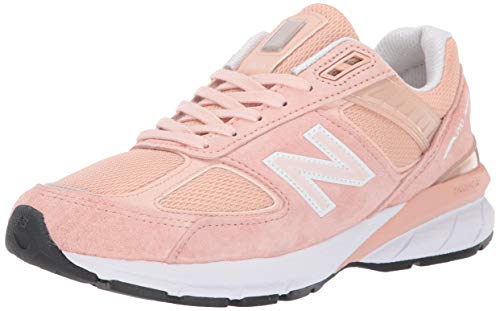
Manufactured in the US for over 75 years and representing a limited portion of our US sales. New Balance Made is a premium collection that contains a domestic value of 70% or greater.
Integrating Morning Exercises Into Daily Life

Although many underestimate the importance of a morning routine, integrating targeted foot exercises can greatly enhance heel pain management. Morning exercises focused on the plantar fascia and calf muscles improve flexibility and reduce stiffness caused by overnight rest. A quick 5-minute stretching routine, including rolling exercises, prepares supportive structures for daily use and helps relieve discomfort. Experts recommend setting a daily reminder to guarantee consistency, which is essential for long-term relief and prevention of future injuries. Foot exercises can easily be integrated into common activities, such as watching TV or staying in bed, maximizing time and adherence. As Dr. Lisa M. Taylor, a podiatrist, notes, “Regular morning stretching strengthens foot muscles, decreasing heel pain and enhancing overall mobility.” Consistent practice yields measurable benefits over weeks. Additionally, combining these exercises with supportive running shoes can further reduce plantar fascia strain and improve recovery.
Frequently Asked Questions
How to Relieve Heel Pain in the Morning?
Like opening a stubborn door, relieving morning heel pain involves stretching techniques, foam rolling, calf stretches, ankle mobility exercises, foot massage, ice therapy, supportive footwear, orthotic inserts, evening routines, and proper hydration habits to improve comfort and function.
What Is the Morning Exercise for Heel Pain?
Morning stretches for heel pain typically include calf stretches, toe stretches, heel raises, and balance exercises. Incorporating foot exercises, foam rolling, and ankle mobility within warm-up routines supports effective pain management and enhances recovery.
What Do the Chinese Do for Plantar Fasciitis?
Like weaving a tapestry of healing, the Chinese employ acupuncture benefits, herbal remedies, tai chi, massage techniques, foot stretching, reflexology benefits, warm compresses, dietary adjustments, topical treatments, and mindset strategies to alleviate plantar fasciitis effectively.
What Vitamin Are You Lacking if You Have Plantar Fasciitis?
Vitamin D deficiency often underlies plantar fasciitis due to calcium absorption issues, while magnesium, vitamin C, B vitamins, vitamin E, and omega-3 influence healing. Nutritional habits and dietary adjustments emphasize anti-inflammatory vitamins for relief.


